 Instagram
Toronto Home Renovation Trends 2026: What Homeowners Need to Know About Design, Permits and Practical Upgrades
In 2026, Toronto homeowners are choosing renovations that combine modern styling with workable solutions for our local housing stock and regulatory landscape. This guide walks through the trends shaping renovations across the city — from open-plan reconfigurations and sustainable materials to smart-home systems, kitchen and bathroom upgrades, flexible living arrangements, and biophilic touches. You’ll find clear cost anchors, permit considerations tied to the Ontario Building Code and Toronto zoning, and examples mapped to common house types — Victorians, mid-century semis and condos. We also explain when a design‑build approach eases the process, how integrated planning shortens timelines, and when fixed‑budget quoting brings financial clarity. Expect practical lists, comparative tables for materials and smart tech, and actionable tips to help you scope feasibility or prepare for contractor conversations.
What design trends are shaping Toronto renovations in 2026?
This year’s renovations strike a balance between livability, sustainability and smart technology while responding to local pressures like smaller footprints and stricter energy targets. The big moves are opening up floor plans for better light and flow, choosing eco-friendly materials to cut operating costs, adding smart systems for comfort and security, bringing nature inside with biophilic design, and creating multi‑use rooms for work and short‑term rental needs. Each trend delivers specific homeowner benefits and comes with distinct cost and permit implications in the GTA. Below is a quick reference list of the primary trends and their core benefit.
Toronto’s top renovation trends for 2026 and their primary benefit:
- Open‑concept living: Brings in more daylight and visual space, improving daily flow and resale appeal.
- Sustainable and eco‑friendly renovations: Cuts energy use and helps future‑proof homes for Net Zero goals.
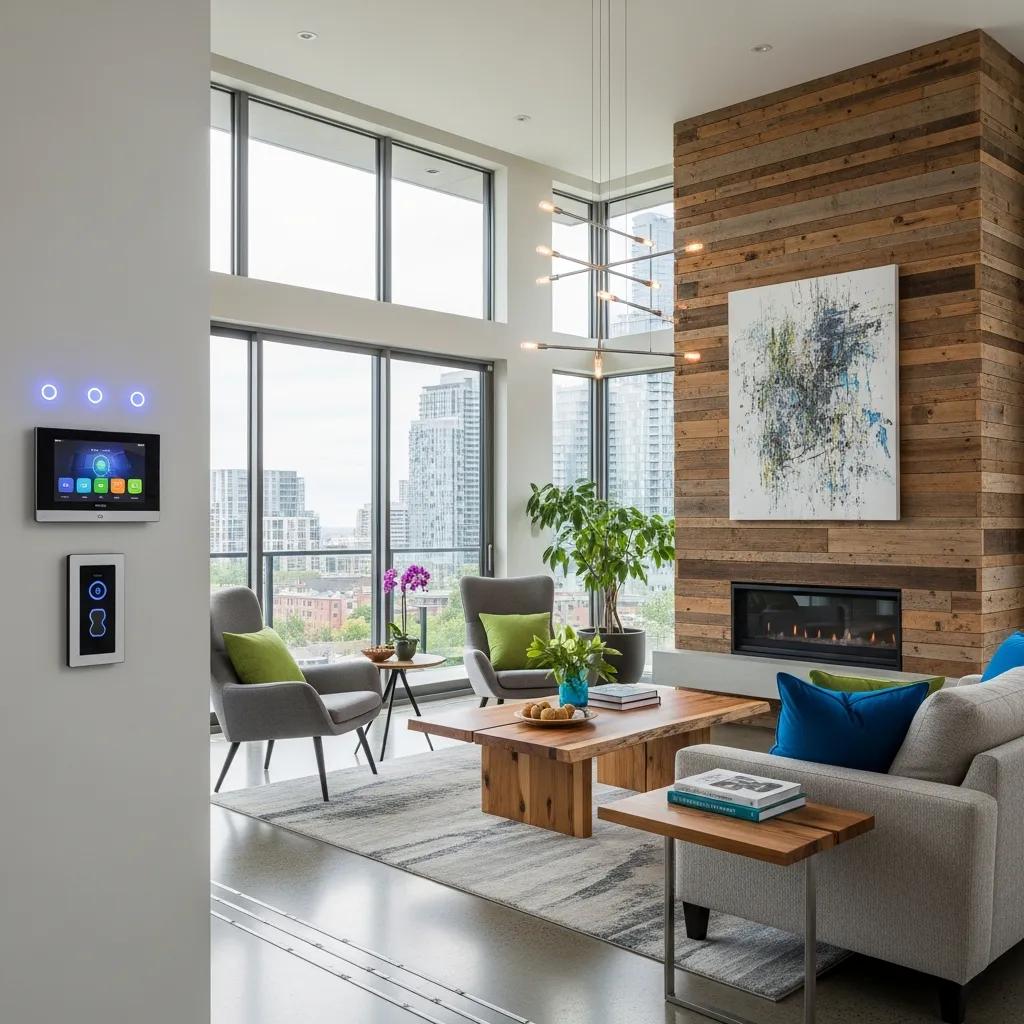
- Smart‑home integration: Improves energy management and security while simplifying everyday routines.
- Biophilic design: Boosts wellbeing and indoor environmental quality with natural materials and daylighting.
- Multi‑functional spaces: Increases usable square footage for work, guests or rental income.
These trends often overlap: opening walls can trigger structural and permit work, sustainable upgrades link to HVAC and appliance choices, and smart systems must be coordinated with cabinetry and electrical plans. Seeing those connections early helps homeowners set realistic budgets and timelines. The sections below unpack each trend, starting with structural and material implications and moving into systems and room‑level specifics.
How is open‑concept living transforming Toronto homes?
Open‑concept layouts remove partitions between kitchens, dining and living areas to increase daylight and circulation — a useful strategy for Toronto’s narrow lots and smaller heritage homes. In practice, taking out a non‑loadbearing wall improves sightlines; when a wall is load‑bearing, we insert beams or columns and work with a structural engineer to protect the building. The payoff is better social flow and perceived value, but you must budget for engineering, possible permit fees and, in some cases, Committee of Adjustment involvement. Costs for an interior reconfiguration with a beam and finishes vary by complexity, and timelines extend when permits or variances are needed.
Open‑plan projects commonly lead into kitchen renovation work: cabinetry, ventilation and integrated appliances are re‑thought for the new sightline. That’s why millwork and lighting decisions should happen early to avoid expensive mid‑project changes. The next section looks at the sustainability choices now often paired with open plans and why eco‑friendly materials matter in Toronto renovations.
Why are eco‑friendly materials essential in Toronto renovations?
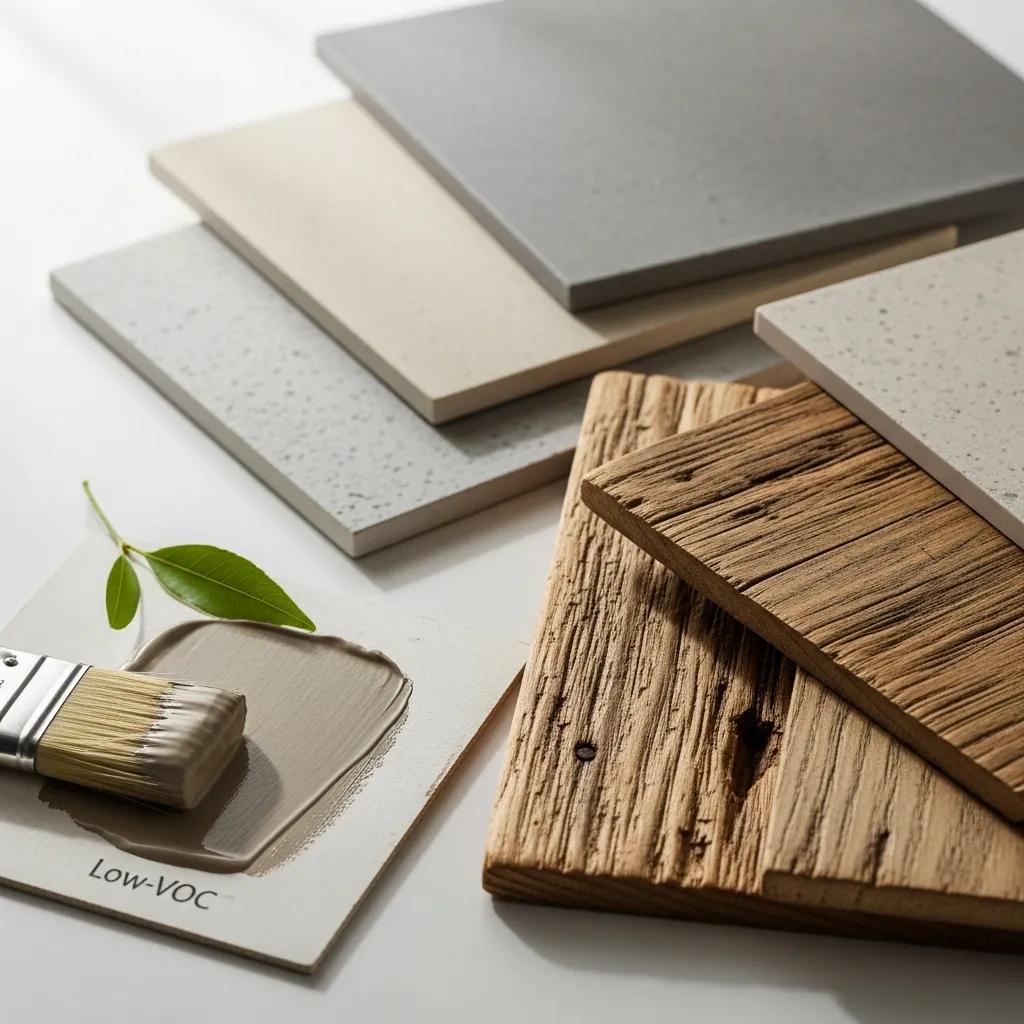
Eco‑friendly materials reduce long‑term operating costs and align with municipal and provincial climate targets, so more Toronto homeowners are prioritizing them. Choosing low‑VOC paints, reclaimed or FSC‑certified wood, recycled porcelain tile and high‑efficiency appliances lowers indoor emissions and can improve resale in eco‑conscious neighbourhoods. Beyond environmental benefits, these choices often cut maintenance and utility bills over time and may qualify for incentives. When sourcing in Toronto, factor in local supplier availability, seasonal lead times and relevant Ontario Building Code performance standards.
Below is a compact comparison to help homeowners weigh common sustainable material options for Toronto renovations, including cost signals, longevity and local notes.
Sustainable material comparison for Toronto renovations:
| Material | Attribute | Value |
|---|---|---|
| Low‑VOC paint | Cost premium | Small to moderate; improves indoor air quality |
| Reclaimed wood | Longevity | High with proper treatment; adds a unique character |
| Recycled porcelain tile | Environmental benefit | Diverts waste stream; very durable in high‑traffic areas |
| Insulated windows (double/triple‑pane with low‑e) | Energy performance | Significant heating/cooling savings in our cold climate |
The table highlights trade‑offs: a modest upfront premium can deliver lasting durability and better indoor quality. Compare hard costs (materials and installation) with soft costs (design and permits) when building the financial case for sustainable upgrades. Next, we look at how connected technologies layer on top of these material choices.
How is smart‑home integration enhancing Toronto renovation projects?
Smart systems give you automated control of lighting, heating, security and appliances — improving energy efficiency and daily convenience while requiring coordinated electrical and network work. These systems connect sensors, controllers and cloud services so devices can optimize operations (for example, adjusting thermostats by occupancy or dimming lights to lower peak demand). The benefits include measurable energy savings, better security via remote monitoring and easier control through apps or voice. Implementation requires planning for wiring, appliance ventilation and cross‑brand interoperability. Early coordination with designers and builders during schematic design reduces rework and keeps integration neat with cabinetry and finishes.
Smart upgrades can also affect permitting in Toronto when they change electrical service or involve fixed wiring; a design‑build approach lowers approval risk. The list below summarizes core smart benefits to help you prioritize features.
- Better energy management through automated schedules and adaptive controls.
- Stronger security with remote monitoring, smart locks and real‑time alerts.
- Everyday convenience via voice assistants and centralized control panels.
Those benefits explain why many renovated Toronto homes include a baseline smart package—thermostat, lighting zones and security sensors. The next section covers smart devices popular in the GTA and typical cost and installation notes.
What smart technologies are most popular in Toronto homes?
Common smart choices in Toronto renovations are smart thermostats, automated lighting, integrated security, smart locks and connected appliances — each selected to solve specific homeowner needs. Smart thermostats can learn occupancy patterns and trim heating bills, while automated LED lighting enhances comfort and reduces waste. Security kits with cameras and locks offer peace of mind for city homeowners and landlords. Connected appliances simplify kitchen tasks and can add resale value. Complexity varies: thermostats and lighting need HVAC/electrical coordination; integrated appliances often require cabinetry adjustments and updated ventilation.
| Technology | Attribute | Value |
|---|---|---|
| Smart thermostat | Typical cost | Moderate; delivers energy savings over time |
| Automated lighting | Installation | Requires planning for zones and wiring |
| Smart security | Benefit | Enhanced monitoring; may reduce insurance costs |
| Integrated appliances | Coordination | Needs cabinetry adjustments and electrical/ventilation work |
Some technologies pay back quickly through energy savings; others are lifestyle features that raise convenience and curb appeal. Next, we explain how smart systems translate into real energy and security improvements for Toronto homes.
How does smart‑home integration improve energy efficiency and security?
Smart integration cuts energy use by adapting systems to actual occupancy and environmental conditions, and it tightens security with continuous monitoring and automated responses. For instance, geofencing and learning thermostats reduce heating when nobody’s home, and lighting sensors with zoned LEDs prevent wasted power. Security setups combine motion sensors, encrypted cameras and smart locks to deter intruders and send instant alerts — though homeowners must plan for privacy and network safety. From a permitting standpoint, include electrical upgrades tied to smart systems in applications when they change fixed wiring or service.
Smart upgrades work best when specified early so electrical capacity, cable runs and control hubs are coordinated with cabinetry and mechanical plans. Practical steps for planning smart systems during a renovation:
- Clarify primary goals (comfort, security, energy) before choosing devices.
- Coordinate electrical and low‑voltage wiring during demolition and rough‑in.
- Pick interoperable platforms and plan for a central hub or control panel.
Following these steps avoids costly retrofits and keeps devices working smoothly across the home. Next, we turn to the modern kitchen, where finishes, storage and smart tech meet.
What are the latest modern kitchen design trends in Toronto?
Toronto kitchens today favor clean lines, durable surfaces, smart storage and integrated appliances — a minimalist look built for family life and entertaining. These choices respond to a need for low‑maintenance materials, seamless appliance integration and efficient layouts for smaller footprints. Look for matte cabinetry, hidden storage, waterfall islands and engineered countertops that withstand seasonal wear. Cost and ROI depend on scope: cosmetic refreshes often deliver strong resale value; full reconfigurations with structural or mechanical work require larger budgets and permit coordination.
We recommend weighing hard costs (cabinets, counters, appliances) against soft costs (design, permits, structural review) before finalizing scope. The next section outlines materials and finishes that define contemporary Toronto kitchens and includes a short countertop comparison.
Which materials and finishes define modern Toronto kitchens?
Contemporary Toronto kitchens often use engineered stone and quartz counters, matte‑finish cabinetry, warm neutral palettes and hard‑wearing floors that handle winter salt and moisture. These finishes combine durability with a timeless look that appeals across neighbourhoods — from midtown semis to downtown condos. Maintenance, aesthetic longevity and per‑square‑foot cost vary, so compare performance against your budget and daily use. Also confirm local supply lead times and coordinate seams and clearances before installation.
Countertop comparison for Toronto kitchens:
| Countertop | Attribute | Value |
|---|---|---|
| Quartz | Cost (CAD/sq ft) | Moderate–high; very low maintenance |
| Marble | Aesthetic | High‑end look; requires more upkeep |
| Engineered stone | Durability | Extremely durable; stain‑resistant |
| Solid surface | Repairability | Easier to repair; mid‑range cost |
This table shows trade‑offs between upfront expense and ongoing upkeep: quartz and engineered stone often deliver the best balance of low maintenance and long‑term value for Toronto kitchens. Next we cover how integrated appliances and smart kitchen tech influence layout and cabinetry.
How are integrated appliances and smart kitchen tech changing design?
Integrated appliances and smart kitchen features create cleaner sightlines and more efficient workflows by hiding refrigerators, dishwashers and ovens behind millwork and adding connected functions like app‑controlled ovens or sensor faucets. The principle is concealment plus connectivity: built‑in appliances reduce visible clutter so designers can prioritize continuous surfaces and consistent materials. Installation considerations include ventilation, electrical capacity and cabinetry reinforcement; some smart appliances need dedicated circuits and reliable network access. Early coordination on openings, clearances and power/data routing prevents costly mid‑project changes.
Integrated appliances often increase soft costs through custom cabinetry and precise millwork, but they can significantly improve both aesthetics and function — which supports higher resale value in many Toronto neighbourhoods. The next section looks at bathroom trends that mirror kitchen innovations in comfort and material choices; see Bathroom Renovations.
How are luxury bathroom renovations reflecting Toronto’s spa‑inspired trends?
Toronto bathrooms are borrowing from spa design: steam and rain showers, heated floors, freestanding tubs and wet‑room layouts that highlight natural, tactile finishes. Owners invest in bathrooms that deliver everyday comfort and clearer market distinction. These upgrades usually involve plumbing relocations, upgraded waterproofing and mechanical work for steam systems — all of which affect permits and timelines. Larger tiles and high‑quality fixtures increase materials costs but reduce maintenance and create a premium finish buyers notice.
Plan for waterproofing strategy, proper ventilation and accessibility to ensure long‑term performance. The following subsection lists features that create a spa‑like bathroom and what they mean for your project.
What features create a spa‑like bathroom experience in Toronto homes?
Spa‑inspired baths typically include walk‑in showers with rainheads and benches, steam systems, in‑floor heating, freestanding tubs and layered lighting for atmosphere — each adds sensory and resale value. The spa effect is about layers: warmth from heated floors, soft lighting and tactile surfaces create a restorative space. Installing steam and heated‑floor systems needs mechanical coordination and waterproofing that go beyond cosmetic updates, affecting both hard and soft costs. Plan for ventilation and service access so systems can be maintained and moisture problems avoided.
These features often raise a home’s perceived luxury and can positively influence resale in desirable Toronto neighbourhoods. The next section outlines materials and fixtures that support this spa direction.
Which materials and fixtures are trending in Toronto bathroom renovations?
Trending bathroom choices include large‑format porcelain tile, matte black or brushed‑metal fittings, integrated vanities with hidden storage and engineered‑stone countertops that resist moisture and staining. These options are selected for durability in wet environments and for the refined look they deliver. Fixtures like thermostatic shower valves and low‑flow/high‑efficiency fittings add comfort while saving water. Local sourcing and lead times influence final selections, so confirm availability early to avoid specification changes during construction.
Choosing materials that balance low maintenance with a timeless look helps future‑proof your investment and improves everyday experience. The next major topic explains why flexible, multi‑use spaces are now central to Toronto renovations.
Why are multi‑functional spaces becoming a must‑have in Toronto home renovations?
Multi‑functional rooms answer the dual pressures of remote work and limited square footage by letting spaces do double duty — office/guest rooms, gym/entertainment zones and more — increasing utility per square foot. The approach is adaptable design: built‑in storage, fold‑away furniture and flexible partitions let rooms shift roles without major construction. Benefits include better day‑to‑day usability and potential rental income when paired with legal basement suites or compliant secondary units. Implementing these ideas often requires acoustic treatments, zoned lighting and considered electrical layouts so the space performs across use cases.
Design strategies that focus on concealed storage, flexible furniture and lighting zones maximize function while keeping the home cohesive. The next section shows practical ways to integrate home offices and flexible zones into your renovation.
How are home offices and flex spaces integrated into Toronto renovations?
Home offices and flexible zones are integrated with built‑in desks and shelving, acoustic panels, targeted task lighting and network ports for video calls and reliable connectivity. These elements address both ergonomic and technical needs for full‑day work while blending with the home’s design. Solutions range from simple built‑ins in a repurposed dining area to pocketed walls that convert living rooms into private offices — each option varies in cost and timeline. Proper integration accounts for ventilation, wiring and daylight so the space stays comfortable for long use.
Plan these spaces during schematic design to avoid disruptive retrofits and to make storage and cable management feel seamless. The next section lists popular multi‑functional ideas and notes on implementation.
What are popular multi‑functional space ideas for Toronto homes?
Common multi‑use solutions in Toronto include guest‑room/office combos, kitchen command centres that double as work hubs, and basement recreation rooms that can convert to rental suites with privacy and separate access. These ideas squeeze more value from your existing footprint and can support income strategies when done to legal standards. Complexity ranges from simple furniture swaps to structural changes and separate‑entry work that may trigger permits and zoning review. Costs depend on whether changes are cosmetic, involve built‑ins, or require legal‑suite compliance.
- Murphy‑bed office/guest rooms for occasional overnight stays.
- Kitchen command centre with integrated charging and a dedicated work surface.
- Basement recreation room convertible to a legal rental suite (requires permit coordination).
When planned and executed correctly, these options increase flexibility and can add long‑term financial value. The final trend we cover is biophilic design — bringing nature indoors.
How does biophilic design bring nature indoors in Toronto renovations?
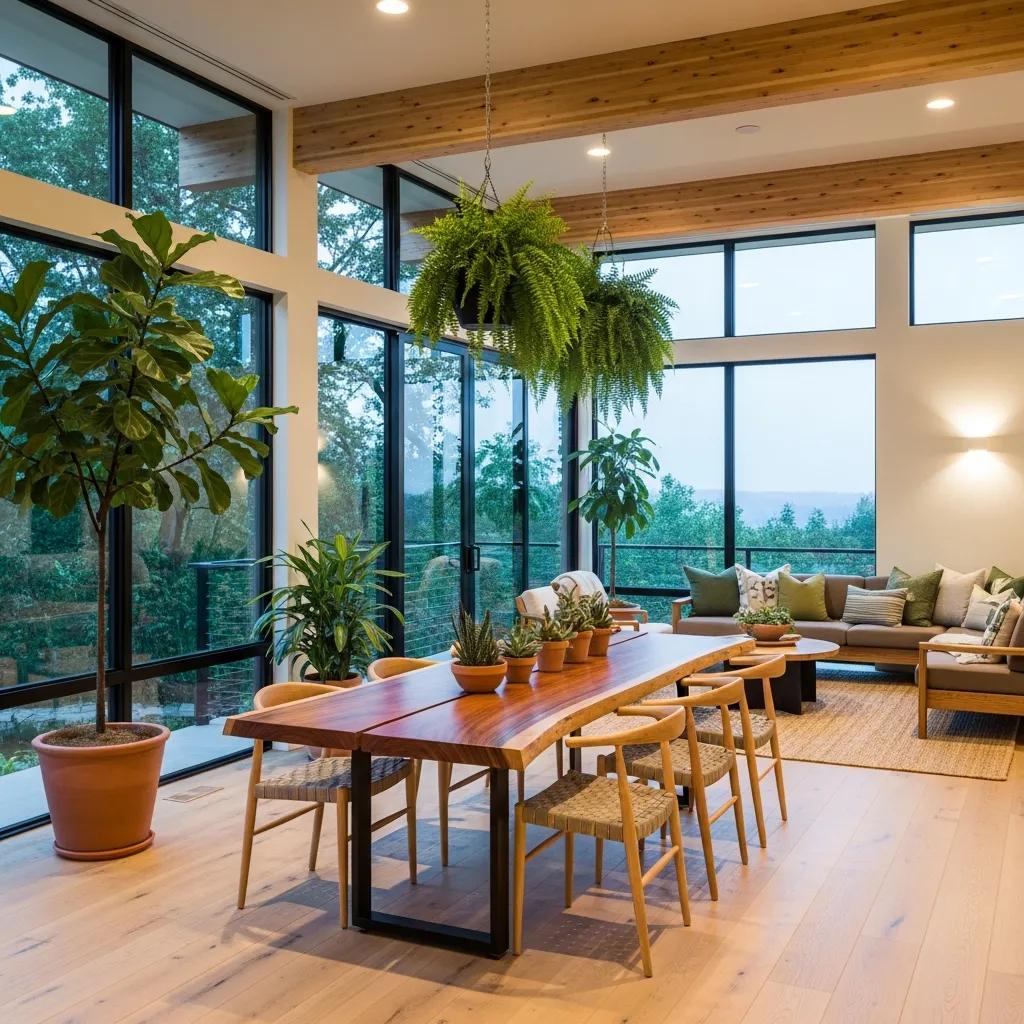
Biophilic design uses natural materials, daylighting strategies, indoor planting and visual connections to outdoor green space to improve wellbeing and indoor environmental quality — especially valuable in dense Toronto neighbourhoods. The idea is human‑nature connection: materials and patterns that evoke the outdoors reduce stress and can support cognitive function and air quality. Typical implementations include larger windows or skylights, living walls, natural stone accents and wood finishes. These choices interact with building performance, so consider insulation, solar gain and maintenance when specifying natural elements.
Biophilic elements also affect material selection and mechanical planning — for example, living walls need irrigation and drainage, and extensive glazing changes thermal performance and window specs. The next section outlines common natural elements used in Toronto biophilic interiors and how feasible they are.
What natural elements are common in Toronto’s biophilic interiors?
Common biophilic features in Toronto renovations are living walls or planters, exposed wood beams or finishes, natural stone surfaces, large operable windows and daylighting strategies like skylights or clerestory glazing. These elements are chosen for their visual and tactile benefits and for measurable indoor environment gains such as passive daylighting and humidity moderation. Feasibility depends on orientation, the building envelope and maintenance commitment — living walls need access for irrigation and plants suited to indoor light levels. Designers usually balance higher‑impact elements (a living wall) with lower‑maintenance touches (wood finishes and planters).
Pick species and systems that match your indoor light and humidity to keep maintenance manageable and ensure longevity. The next section summarizes how biophilic design supports wellbeing and air quality with practical tips for homeowners.
How does biophilic design improve well‑being and air quality in homes?
Biophilic design supports wellbeing by lowering stress and increasing perceived comfort, and it can help indoor air quality when paired with low‑VOC materials and proper ventilation — plants are a complement, not a substitute for mechanical ventilation. The benefits come from psychological restoration via natural patterns and from reduced indoor pollutants when low‑emission materials are used. Practical actions include choosing low‑VOC finishes, ensuring balanced ventilation, and integrating daylight and plantings to support circadian rhythms. Recent research and contemporary practice show that combined strategies — material choices, ventilation, daylighting and plants — produce measurable improvements in comfort and indoor environmental quality.
Prioritize airtightness and balanced ventilation as the foundation of good indoor air; use biophilic elements to enhance occupant experience without compromising building performance. Below we explain how True Form helps homeowners turn these trends into feasible projects.
True Form also delivers services for larger commercial projects. If your business needs renovation or expansion, our team provides commercial general contracting with the same focus on quality and efficiency.
At True Form Renovations (operating as True Form Construction) we help Toronto homeowners turn these trends into permit‑ready projects via an Integrated Design & Build model that manages design, permits and construction under a single team. Our Fixed Budget approach gives upfront cost certainty and reduces the guesswork when comparing hard and soft costs for trend‑driven upgrades like structural open‑plan work, smart wiring or spa‑level bathroom systems. Our integrated process coordinates trades, electrical and mechanical work for smart packages and handles permitting for basement or condo changes — useful for multi‑discipline projects that combine smart, biophilic and structural elements. If you’re in the GTA and want a free estimate or feasibility conversation, contact True Form Renovations to discuss budgeting and permit planning under our design‑build framework.
