 Instagram
Commercial Building Regulations in Toronto — Your Practical Guide to Permits, Codes and Compliance
Toronto’s commercial projects must meet a mix of provincial standards, municipal bylaws and accessibility and safety laws. This guide breaks down how the Ontario Building Code (OBC), City of Toronto zoning rules, permit procedures, the Accessibility for Ontarians with Disabilities Act (AODA) and fire-safety requirements interact — and what that means for owners, tenants and project teams. You’ll learn when permits are required, which drawings and consultants are typically needed, expected costs and timelines, and practical steps to reduce delays and risk. We map the process from pre-consultation and design through municipal review, inspections and final occupancy, with targeted advice for tenant improvements, change-of-use work and commercial renovations in Toronto. We also explain how a unified design-build approach cuts regulatory friction and how to prepare a compliant permit application. Read on for clear, actionable guidance to navigate Toronto’s commercial building landscape.
What Is the Ontario Building Code and How It Shapes Commercial Work in Toronto
The Ontario Building Code (OBC) sets the provincial minimums for safety, health, accessibility, energy performance and structural integrity for commercial projects. Municipal building officials at the City of Toronto enforce those technical requirements during permit review and site inspections. Identifying OBC triggers early — for example, changes in occupancy, modifications to fire separations or mechanical upgrades — determines project scope, consultant needs and required documentation. Below we outline the OBC’s core domains and the practical compliance items you should include in permit-ready drawings and specifications.
The OBC groups requirements into distinct domains that dictate which specialists and documents the City will expect during review and inspection. The table that follows summarizes those domains and the typical actions that smooth approval.
The OBC provides the technical baseline for commercial safety and performance and informs what belongs in a Toronto permit package.
Each OBC domain requires specific documents, consultant input and construction approaches that directly affect permit outcomes and inspection focus.
The table below translates those domains into concrete “must-haves” for permit submissions.
| Domain | Primary Requirement | Typical Compliance Action |
|---|---|---|
| Structural Safety | Load capacity, structural design, engineer seals | Retain a structural engineer; submit calculations and sealed drawings |
| Fire Safety & Protection | Fire separations, sprinklers/alarms, egress capacity | Specify fire-rated assemblies; provide sprinkler and alarm design |
| Accessibility (OBC & AODA) | Accessible routes, washrooms, door clearances, signage | Show accessible paths and fixtures; include AODA compliance notes |
| Energy & Environmental Performance | Thermal envelope, HVAC efficiency, lighting controls | Provide an energy model, envelope details and equipment specifications |
| Mechanical, Plumbing & Electrical | Equipment sizing, ventilation, drainage, electrical capacity | Submit MEP drawings and coordinate with ESA where required |
Showing these items early in your submission reduces review cycles and improves the project schedule.
Key OBC Requirements for Commercial Buildings
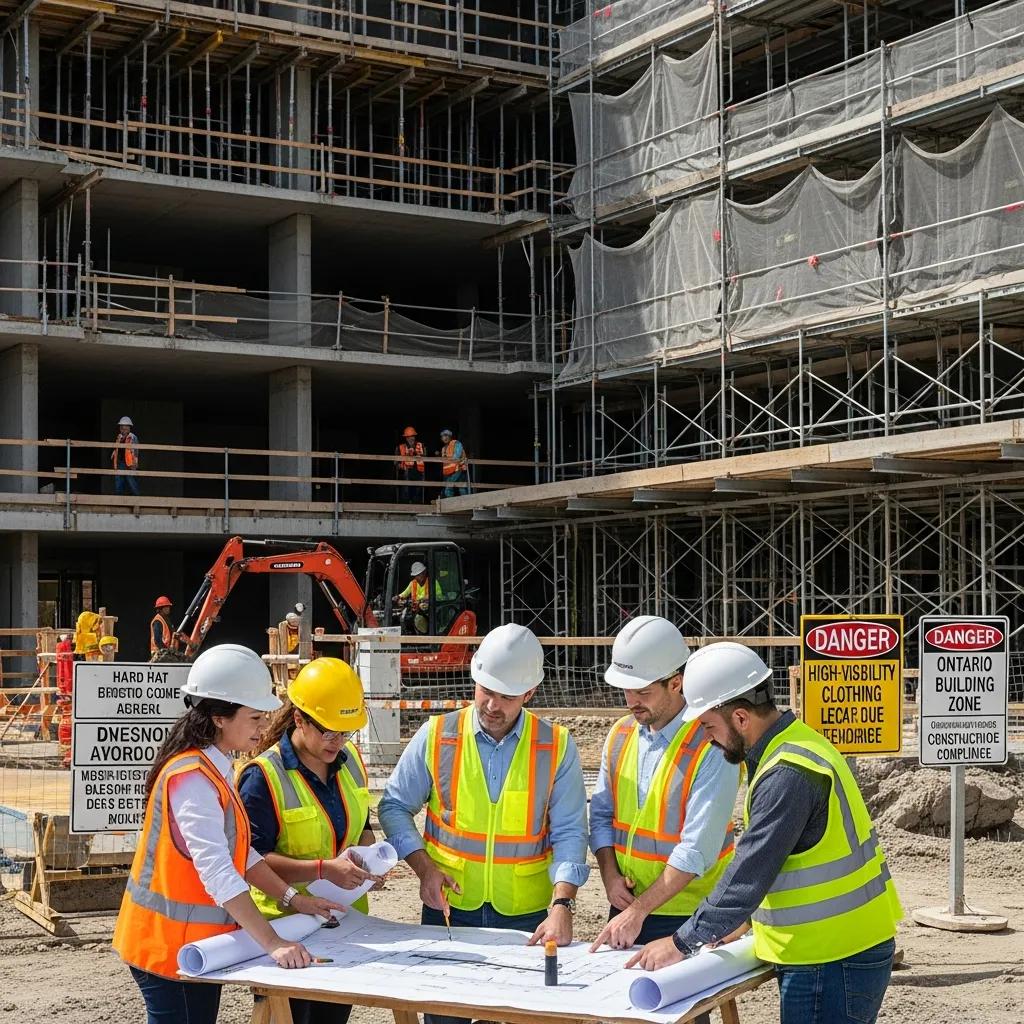
The OBC’s primary areas for commercial work include structural safety, fire/life-safety systems, accessibility and energy performance — and each area has thresholds that trigger extra documentation and specialist involvement. Structural changes that affect load-bearing elements, new openings or rooftop equipment typically require sealed structural drawings and calculations. Fire life-safety work focuses on sprinkler systems, alarm coordination, rated assemblies and adequate egress, with drawings that clearly show routes and ratings for municipal and fire-review. Accessibility requirements (OBC + AODA) commonly require dimensioned accessible entrances, routes and sanitary facilities on plans for most renovations. These code-driven triggers shape your permit package and the inspection checklist during construction; addressing them early reduces costly changes later.
How the 2024 OBC Updates Affect Commercial Projects
Updates to the OBC effective in 2024 strengthened energy-performance expectations, clarified certain fire-safety provisions and refined accessibility and material standards for some assemblies. Expect more emphasis on energy documentation at submission — which can mean revised HVAC sizing or additional envelope details — and clearer coordination requirements for alarm and suppression systems. If your project is already in design, confirm whether your submission date or project stage brings the new rules into play; a quick check with municipal reviewers or a permit expeditor avoids surprises. Tackling these items during schematic design reduces the chance of review cycles or specification rework later.
When Toronto Commercial Permits Are Required — and How to Get Them
A permit is required when proposed work alters structure, occupancy, building systems or life-safety features. Common triggers include structural alterations, change of use, additions, MEP upgrades and significant tenant improvements. The City’s review times depend on the work’s complexity and how complete the submission is — incomplete packages usually generate comments that add time. Submitting a complete package (sealed drawings where required, code analysis, energy documentation and municipal forms) shortens review. The checklist below helps teams decide when to consult the City or retain a permit expeditor.
Typical permit triggers include structural work, MEP upgrades and occupancy changes that affect egress, fire rating or accessibility.
- Structural alterations, new openings or additions affecting load-bearing elements.
- Change of use or occupancy classification that impacts building systems or egress.
- New or modified mechanical, plumbing or electrical systems affecting life safety.
- Major interior tenant improvements that alter layout, egress or fire separations.
- Demolition of load-bearing elements or partial building removal.
Knowing these triggers early helps define consultant scope and budget expectations before formal application.
The municipal process follows predictable submission and inspection milestones; understanding that sequence makes it easier to build a compliant application package.
Types of Commercial Permits in Toronto
Toronto issues different permits depending on the scope of work. Common commercial permits include building permits, change-of-use permits, demolition permits, sign permits and zoning approvals — and when zoning relief is required you may need a minor variance or a Committee of Adjustment application. A building permit is the primary authorization for construction and usually needs architectural drawings plus structural and MEP disciplines and a code analysis. Change-of-use permits (for example, retail to restaurant) often trigger additional fire-safety and accessibility upgrades. Demolition and sign permits follow their own streams and supporting documents, such as asbestos surveys or sign structural details. Identifying the right permit up front guides which consultants and documents to retain, reducing surprises during review.
Step-by-Step: Applying for Commercial Permits in Toronto
The municipal workflow generally follows this sequence: pre-consultation/intake, submission of a complete design package, office review cycles with comments, response and resubmission, site inspections during construction, and final issuance of occupancy or completion certificates.
Step 1 — Pre-consultation: confirm zoning and OBC triggers with planners or a permit expeditor to align expectations.
Step 2 — Assemble and submit: include architecture, structural, mechanical, electrical, plumbing, energy compliance and any specialist reports required by your scope.
Step 3 — Review cycles: respond promptly to municipal comments with revised drawings and consultant letters to minimize review time.
Step 4 — Inspections: schedule inspections on time and prepare as-built documentation for final sign-off and occupancy.
An experienced project manager or permit expeditor reduces friction at each stage and improves predictability.
Below is a practical comparison of typical fees and timelines for common commercial permit types in Toronto.
| Permit Type | Typical Fee Range | Typical Timeline | Common Supporting Documents |
|---|---|---|---|
| Building Permit (commercial) | $2,000 – $25,000+ | 4–16+ weeks (depending on complexity) | Architectural drawings, structural/MEP drawings, code analysis |
| Change of Use Permit | $500 – $10,000 | 4–12 weeks | Occupancy analysis, fire-safety plan, accessibility upgrades |
| Minor Variance / Committee of Adjustment | $3,000 – $15,000 (incl. consultant fees) | 8–16 weeks (hearing + processing) | Site plan, justification letter, drawings, neighbour notices |
| Demolition Permit | $500 – $5,000 | 2–8 weeks | Demolition plan, asbestos report, traffic/hoarding plans |
| Sign Permit | $150 – $2,000 | 2–6 weeks | Sign drawings, structural support details, electrical permits |
How Toronto Zoning Bylaws Affect Commercial Development and Renovations
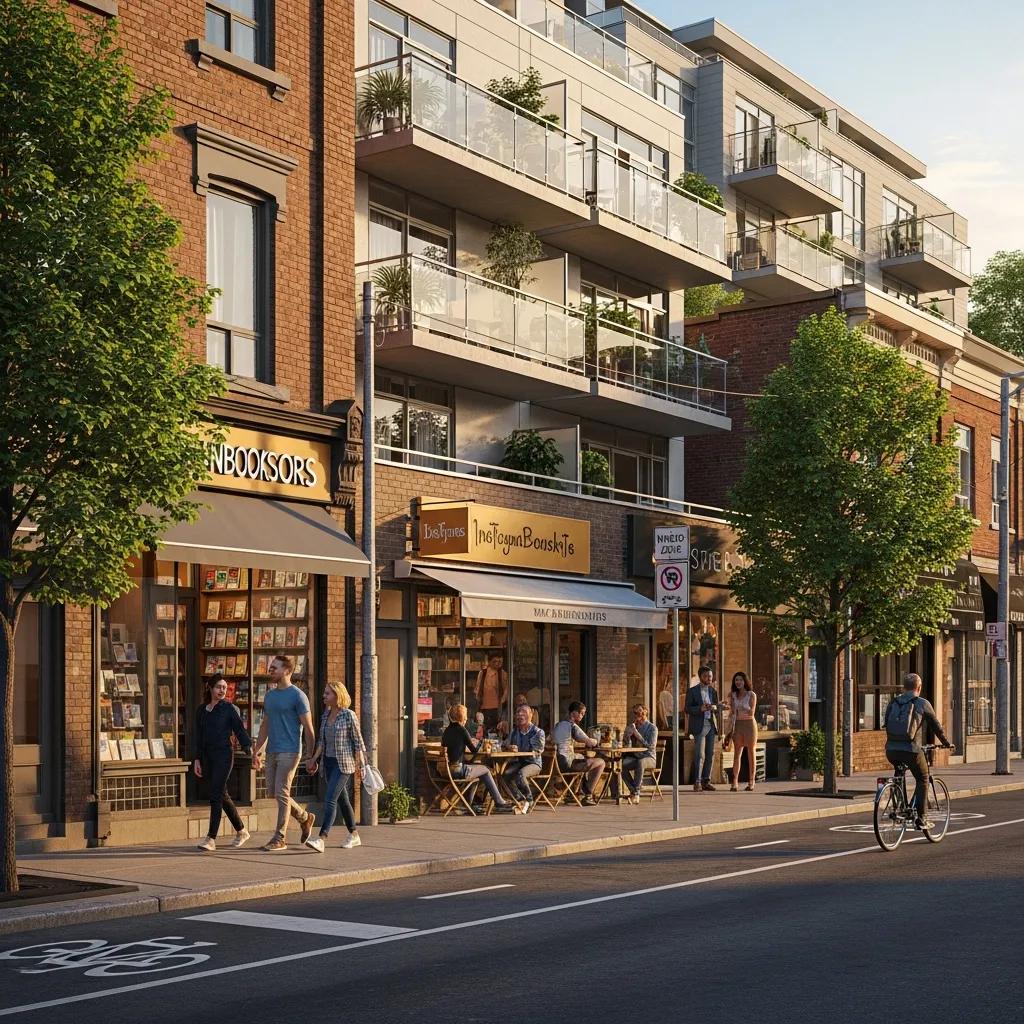
Zoning bylaws set permitted uses, building form, setbacks, height limits, parking requirements and how floor area can be used — all of which influence renovation feasibility and entitlement needs. Zoning determines whether a tenant use is allowed as-of-right or needs relief via a minor variance or rezoning, and it sets massing and site rules that affect exterior renovations and additions. Checking zoning early helps decide whether you need a full planning application, a Committee of Adjustment hearing or a rezoning strategy, and it frames community consultation requirements. The section below lists common commercial zoning classifications and how they typically affect allowable renovations and conversions.
Zoning classifications translate into specific project constraints — permitted uses, parking minimums and maximum floor area ratios — that directly affect design choices and permitability.
- CR (Commercial Residential) and mixed-use zones typically allow retail and office at grade with residential above.
- Employment and industrial zones often restrict retail and may require special permissions for customer-facing uses.
- Downtown and main-street corridors may relax parking requirements but enforce stricter design guidelines.
These categories show why a zoning check is a vital early step in assessing feasibility for commercial renovations.
Common Commercial Zoning Classifications in Toronto
Typical Toronto zoning labels include commercial-residential mixed-use, employment and commercial-corridor designations, each with different permitted uses and development standards. Mixed-use zones usually allow retail at street level with residential or office above and require design that follows urban guidelines. Employment zones prioritize industrial, office or logistics activities and often limit customer-facing retail without a zoning amendment. Corridor and main-street zones promote storefront activation and pedestrian amenities and may have specific signage and frontage requirements. Identifying the exact zoning for a property determines parking, loading and allowable floor area and signals whether a renovation will face entitlement hurdles or move straight to permitting.
When and How to Apply for Zoning Variances or Amendments
You need a variance or amendment when proposed work exceeds zoning permissions — for example, reduced setbacks, extra height or insufficient parking — which requires engagement with the Committee of Adjustment or City planning for rezoning. Typical steps include a pre-application meeting with planning staff, preparing a rationale and supporting drawings, notifying nearby owners as required, and attending a Committee of Adjustment hearing where staff and the public can comment. Timelines vary but commonly span several months from submission to decision, and professional reports (planning justification, shadow studies, traffic assessments) improve the chance of success. A thorough variance package and proactive community engagement lower the risk of appeals or redesigns.
Critical Accessibility and Fire Safety Regulations for Toronto Commercial Buildings
Accessibility and fire safety are foundational requirements for commercial compliance in Toronto. The AODA and relevant OBC provisions require accessible routes, appropriate washrooms and design details that let people with disabilities access and use the building safely. Fire-safety obligations — sprinklers, fire alarms, emergency lighting, rated assemblies and clear egress — are enforced by municipal building and fire officials and often determine renovation scope for tenant improvements or change-of-use work. Projects that alter access, egress or life-safety systems typically trigger specialist involvement such as accessibility consultants or fire-protection engineers. The sections below explain AODA triggers and common fire-safety measures to include in drawings and inspections.
Next we outline when AODA applies to renovations and practical upgrade examples to include on permit drawings and specs.
How AODA Applies to Commercial Renovations
AODA applies to most commercial spaces and requires that alterations maintain or improve accessibility when they affect public areas, entrances, washrooms or circulation paths. That often means adding or upgrading accessible entrances, ensuring clearances and turning space, and showing compliant signage. When entrances or public corridors change, plans should dimension accessible routes and detail door hardware, thresholds and washroom layouts. Typical retrofits include ramps or lifts, accessible fixtures and tactile signage or visual alarm devices. Including accessibility details in the initial submission avoids review comments that can delay approvals and force retrofit work after construction starts.
Required Fire Safety Measures Under Toronto Rules
Fire-safety for commercial buildings centers on detection and suppression systems, compartmentation, egress design and emergency-system integration, with requirements that depend on occupancy and building height. Typical obligations include installing or modifying sprinkler systems where the OBC requires them, coordinating fire-alarm zones with building use, specifying fire-rated walls and doors for separations and ensuring egress paths meet width and travel-distance limits. Municipal inspections will confirm that installed systems match approved drawings, alarms and sprinklers are electrically and hydraulically coordinated, and that signage and emergency lighting are in place. Early coordination with fire-protection engineers and, when necessary, the local fire marshal prevents last-minute redesigns and compliance-driven rework.
How True Form Renovations Helps You Navigate Toronto’s Commercial Rules
A single, integrated design-build firm reduces regulatory friction by combining design, permitting and construction around one coordinated team. True Form Renovations uses an Integrated Model and a One Team approach that aligns designers, project managers, permit expeditors and crews on a single roadmap — improving documentation consistency, speeding responses to municipal comments and lowering change-order risk. As a full-service provider of Commercial General Contracting, facility expansions and commercial build-outs across the GTA, True Form manages permit submissions, liaises with municipal departments and coordinates specialist consultants to keep projects moving. This integrated delivery reduces review friction and helps projects stay on budget and on schedule.
True Form’s services target the regulatory pinch points described above: preparing permit-ready drawings, making municipal submissions, handling variances or Committee of Adjustment applications, and managing on-site inspections through to occupancy. A single point of accountability and a clear project roadmap means fewer surprises for owners. With experience in commercial renovations and emergency restoration work, the team can mobilize quickly when compliance or remediation issues arise, shortening downtime for occupied or revenue-generating spaces.
True Form’s Integrated Design-Build Approach to Compliance
True Form’s Integrated Model brings designers, permit expeditors, project managers and trades into one team that shares responsibility for meeting OBC, zoning and AODA requirements from schematic design through final inspection. The One Team method reduces duplicated effort and conflicting consultant details, and creates a single contract and timeline that aligns regulatory submissions with construction sequencing. The process usually includes a pre-consultation, a consolidated permit package, municipal liaison and coordinated inspection scheduling — all intended to reduce review cycles and avoid costly late-stage changes. True Form also emphasizes Financial Clarity through predictable estimating and supports its work with a five-year workmanship warranty to reinforce accountability.
Example: A Successful Commercial Project Through Toronto’s System
One anonymized project involved retrofitting a multi-tenant retail space that needed a change of use, updated fire separations and accessible entry upgrades. The team used coordinated drawings and an expedited submission strategy to secure approvals within the planned timeline. A zoning constraint required a minor variance for reduced loading; the integrated team addressed this with a focused application and stakeholder engagement at the Committee of Adjustment. The result preserved the tenant’s opening date, minimized downtime and kept the project within a fixed-budget plan that reduced financial uncertainty for the owner.
For help or a free estimate for commercial renovation or restoration work, contact True Form Renovations at (416) 854-1064 or visit our local office at 100 Mural St, Suite 200, Richmond Hill, ON L4B 1J3 to arrange a consultation. Early conversations clarify regulatory scope and budget implications so projects start on the right foot.
Typical Costs and Timelines for Commercial Permits in Toronto
Permit fees and consultant costs vary by project complexity, scope and required variances. Understanding typical ranges and the costs of non-compliance helps owners make informed decisions.
True Form’s Financial Clarity and Fixed Budget approach aim to reduce uncertainty with transparent estimates that include permit fees, consultant costs and contingency for municipal comments or unexpected compliance needs. Permit timelines range from a few weeks for simple sign or demolition permits to several months for major building permits or Committee of Adjustment processes; submitting complete packages and using permit expediting shortens those ranges. The table below highlights the financial risks of non-compliance and common consequences so the cost of unpermitted work is clear.
| Permit Type | Risk of Non-Compliance | Typical Fine/Consequence |
|---|---|---|
| Building Permit (unpermitted work) | Safety hazards, stop-work orders, required remediation | Fines, mandatory demolition or retrofit, insurance complications |
| Change of Use (unapproved) | Incorrect egress or life-safety provisions for new occupancy | Orders to cease operation, fines, required retrofits |
| Demolition without permit | Structural risk to adjacent properties and public safety | Stop-work, civil fines, restoration orders |
| Sign or Electrical without permit | Fire or electrical hazards, non-compliant installations | Removal orders, fines, approval delays |
This comparison makes clear that the exposure from non-compliance can exceed initial permitting costs — proactive permitting reduces the chance of expensive remediation.
How Much Do Commercial Permits Cost — and What Are the Risks?
Municipal fees are only part of the upfront expense; consultant fees (architect, structural engineer, MEP, fire protection) and application support (permit expediting, drawings) often make up the bulk of early project investment. Fee variability depends on project scale, specialist reports required and whether zoning relief is needed. Non-compliance risks — stop-work orders, fines, forced removal of work and insurance claim denials — can be more costly than obtaining permits. True Form’s Fixed Budget estimating includes contingencies for predictable permit and consultant costs and clearly outlines potential remediation exposures so owners can choose a compliant path with confidence.
Average Timelines for Approvals and Project Completion
Timelines depend on permit type, submission quality, consultant availability and municipal workload. Simple permits (signage, minor interior work) can be resolved in a few weeks, while major building permits and variances often take several months including review cycles and hearings. Inspection scheduling affects completion dates, especially when specialized inspections (sprinkler, structural) require coordination across trades and municipal calendars. A representative timeline is: 2–6 weeks for detailed design and consultant drawings, 4–12+ weeks for municipal review (depending on complexity), and construction durations ranging from weeks for minor tenant improvements to many months for full build-outs. Identifying critical-path items early, such as structural reviews or Committee of Adjustment hearings, compresses delivery time and improves predictability.
Different permit types and project complexities influence both cost and schedule; early coordination preserves budget certainty and reduces surprises.
- Prepare complete documents: Full, coordinated drawings minimize review comments.
- Engage consultants early: Structural and fire reviews often dictate the schedule.
- Use expediting: Permit expeditors and a single accountable team shorten response cycles.
Following these practices, together with a fixed-budget approach, lowers the cost and schedule risk associated with municipal permitting.
Typical Permit Preparation Checklist
Before submission, assemble a clear package to reduce review cycles and speed approvals. Include these core items with most commercial permit applications:
- Architectural drawings: Plans, elevations, sections and a code analysis.
- Structural, mechanical, electrical and plumbing drawings: Sealed where required.
- Specialist reports: Energy models, fire-protection design and accessibility notes.
- Zoning and site documents: Site plan, parking calculations and municipal forms.
This checklist outlines the minimum documentation owners should expect to commission before a permit application and helps align consultant scopes with the project’s regulatory needs.
