 Instagram
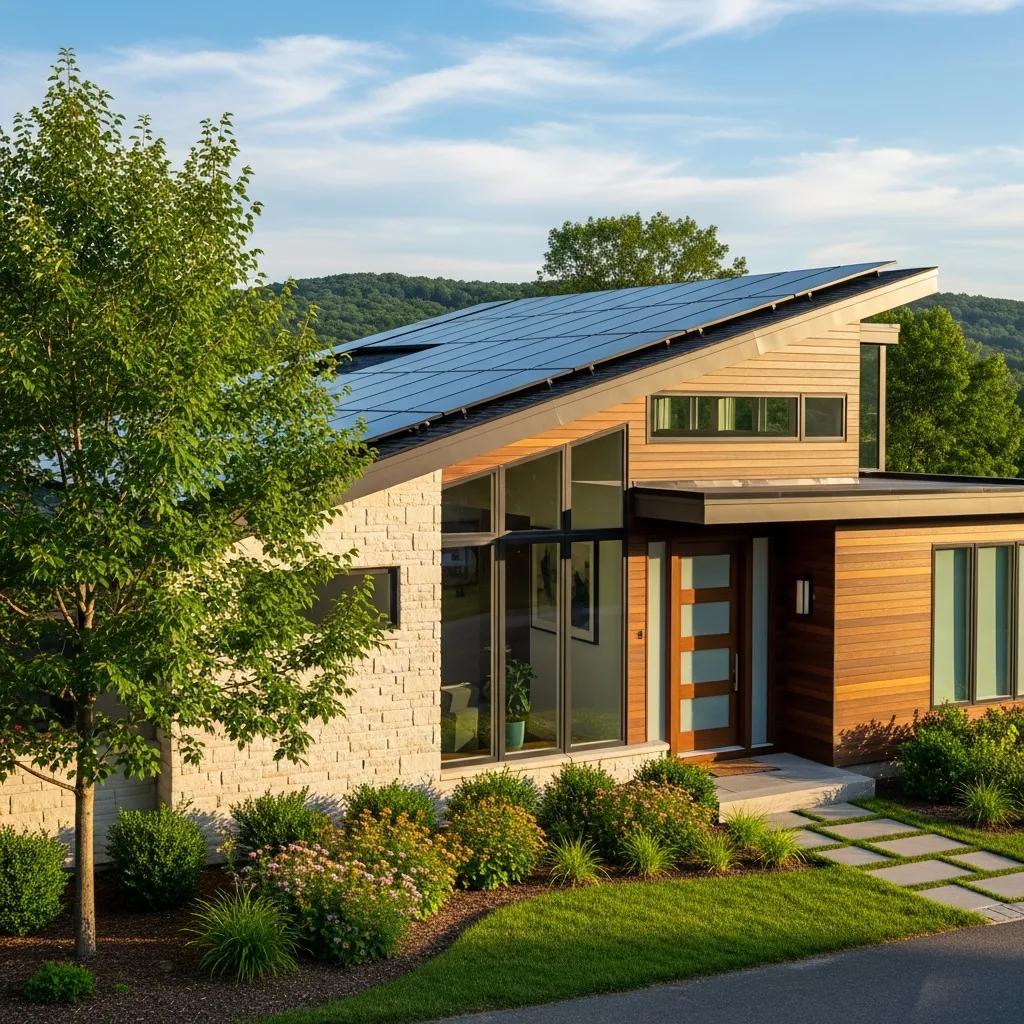
Energy‑Efficient Construction for Toronto Homes: A Practical Guide to Building Sustainable, Low‑Energy Houses
Cutting a home’s energy use starts with smart construction: tighten the envelope, choose efficient systems, and add renewables where they make financial sense. This guide lays out straightforward construction techniques, measurable targets, and step‑by‑step routes from common retrofits to net‑zero so Toronto homeowners can judge feasibility and ROI. You’ll learn how insulation and air sealing perform in Toronto’s climate, why high‑performance windows matter, which mechanical upgrades save the most energy, and how to sequence work for long‑term value. We also cover green‑building benefits, common certifications, planning and execution of eco‑friendly renovations, relevant local regulations and incentives, and how to pick contractors and technologies that deliver verified results. Throughout, we reference the right metrics (R‑values, U‑factors, kWh offsets), include concise comparison tables, and give checklists you can use when budgeting and hiring. If you’re planning a retrofit or a new build, this is a practical roadmap to prioritize measures with clear payback logic and verification steps that ensure real savings.
What Are the Key Energy‑Efficient Construction Techniques for Toronto Homes?
Start by shrinking the load: improve insulation, seal air leaks, and address thermal bridges. Once the envelope is tightened, install high‑efficiency systems—like cold‑climate heat pumps—and balanced ventilation with heat recovery. Done right, these measures reduce heating and cooling demand, shave peak loads, and improve comfort and moisture control. Below we outline core measures, show typical performance expectations, and give rough cost bands so homeowners can prioritize before commissioning detailed energy modelling. Knowing these tradeoffs helps you pursue the highest‑value steps first and phase deeper upgrades over time.
Key energy‑efficient strategies include:
- Continuous insulation and air sealing: Cut airflow and conductive losses to shrink heating and cooling demand.
- High‑performance windows and doors: Lower U‑factor, reduce thermal bridging, and limit condensation risk.
- Efficient HVAC systems (heat pumps): Move to high‑efficiency electric heating and cooling with variable capacity.
- Balanced ventilation (ERV/HRV): Keep indoor air healthy while reclaiming heat or coolth from exhaust air.
- Passive design measures: Use solar orientation, shading, and thermal mass to reduce seasonal loads.
These measures work as a system: envelope upgrades cut demand, efficient equipment meets the smaller loads, and ventilation preserves air quality. The next step is testing and verification to confirm actual performance.
Performance comparison — purpose and how to use it: the table below summarizes representative techniques with common targets (R‑values, U‑factors), typical installed cost ranges for a Toronto single‑family retrofit, and expected annual energy savings so you have decision anchors before detailed energy modelling.
| Technique | Typical Metric / Target | Typical Installed Cost Range | Typical Annual Energy Savings |
|---|---|---|---|
| Attic insulation — blown cellulose or spray | R-49–R-60 | $1,500–$5,000 | 10–20% of heating load |
| Wall insulation — dense‑pack cellulose / continuous | R-13–R-20 cavity + CI R-5–R-10 | $4,000–$12,000 | 8–18% of heating load |
| Air sealing & blower‑door verification | ACH50 target 2–4 (retrofit) | $1,000–$4,000 | 5–15% overall energy |
| High‑performance windows (double/triple, low‑e) | U-factor 0.20–0.30 | $500–$1,200 per unit | 5–12% of heating/cooling |
| Heat pump HVAC (cold‑climate) | HSPF ≥ 9 / SEER ≥ 15 | $6,000–$18,000 | 25–50% replacing fossil heating |
The table shows that envelope measures typically provide the foundational load reduction that makes efficient HVAC and renewables more cost‑effective. Next we dive into insulation, air sealing, and the tests used to confirm results.
How Do Insulation and Air Sealing Improve Home Energy Efficiency?
Insulation reduces heat flow through assemblies; air sealing cuts uncontrolled infiltration. Together they lower the energy needed for heating and cooling. In Toronto, practical targets include attic R‑values in the R‑49–R‑60 range, wall assemblies that combine cavity insulation with continuous insulation, and insulated foundations to limit seasonal losses. Air sealing focuses on gaps around windows, service penetrations, and rim joists using spray foam, caulk, and taped membranes; a blower‑door test quantifies airtightness and helps direct work. A continuous insulation layer and uninterrupted air barrier limit thermal bridging and moisture problems, improving comfort and reducing HVAC runtimes. After upgrades, infrared scans and a follow‑up blower‑door test validate results and support incentive or certification claims.
What Role Do High‑Performance Windows and Doors Play in Energy Savings?
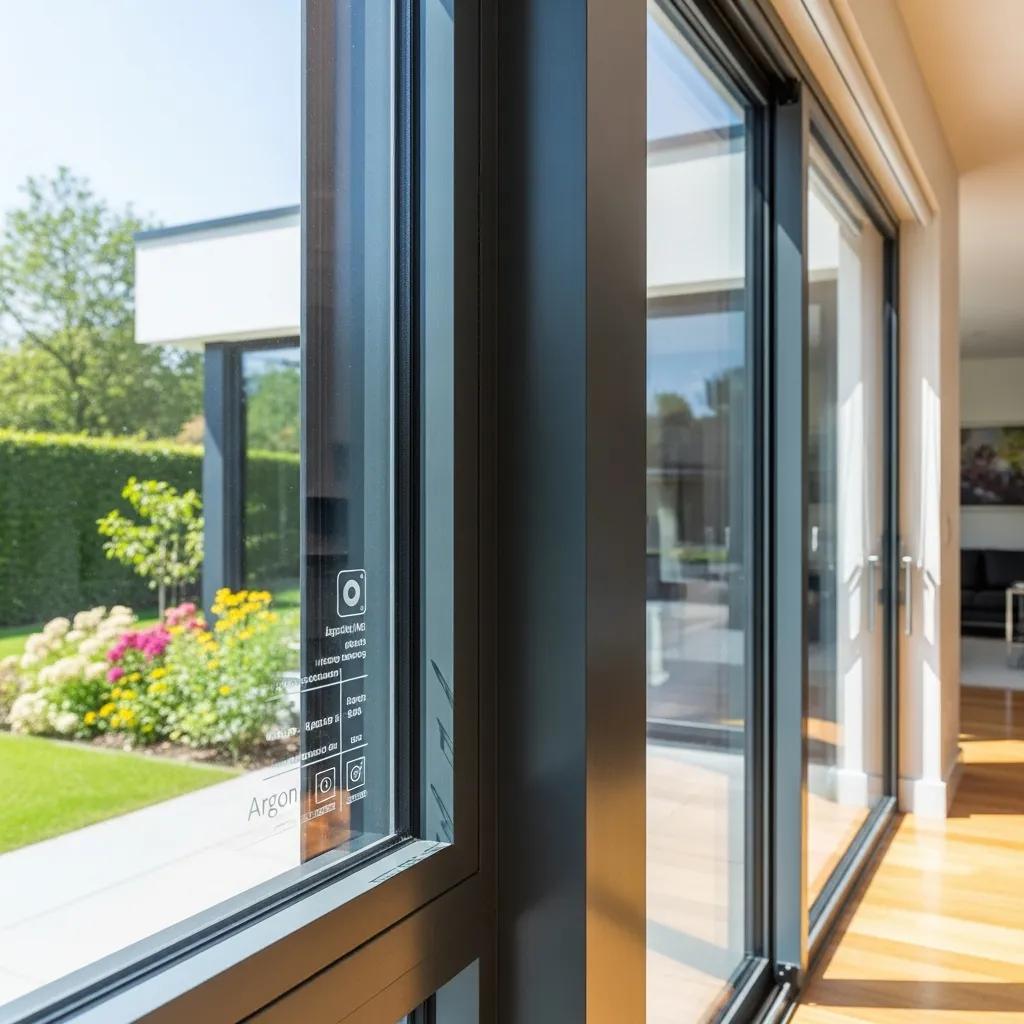
High‑performance windows and properly installed doors reduce conductive loss and air leakage, improving comfort and cutting condensation risk in winter. Key specs are U‑factor (insulation), SHGC (solar heat gain coefficient), and tested air leakage. Low‑e coatings plus argon or krypton fills deliver measurable reductions in heat transfer. Frame choice matters—vinyl, thermally‑broken aluminum, or fiberglass frames limit conductive pathways compared with unbroken aluminum. Equally important is correct flashing and integration with the air barrier; a high‑spec window poorly flashed can lose most of its lab‑rated benefit. Investing in quality glazing and professional installation often costs less over time than upsizing HVAC, and the right windows also support passive‑solar strategies that reduce seasonal heating needs.
How Can Toronto Homeowners Achieve Net Zero Energy Homes?
The path to net zero is envelope‑first: reduce annual demand, right‑size efficient mechanical systems, then meet remaining loads with on‑site renewables such as PV (and batteries where appropriate). Energy modelling sets a realistic target (site kWh/year) and sequences measures so the solar array isn’t oversized. This phased approach minimizes wasted capital and improves financial returns by lowering the PV capacity needed to reach net zero. Below is a high‑level roadmap and a component contribution table that illustrate how typical measure combinations close the gap to net zero for a Toronto home.
Net‑zero pathway — concise steps:
- Reduce loads with envelope and airtightness: Cut baseline energy demand by 40–60% depending on the starting condition.
- Install high‑efficiency systems: Use cold‑climate heat pumps, efficient water heating, and smart controls to minimize remaining loads.
- Deploy renewables: Size PV to cover residual annual kWh; add battery storage for resilience where it makes sense.
- Monitor and adjust: Use submeters and dashboards to verify performance and tune occupant behaviour.
Every kilowatt‑hour saved through better building practice reduces the renewable capacity and cost needed to reach net zero. The table below shows typical contributions from each component.
| Component | Attribute | Contribution to Net Zero (approx.) |
|---|---|---|
| Envelope upgrades | Insulation + air sealing | 30–50% reduction in annual heating/cooling load |
| Efficient systems | Cold‑climate heat pump, efficient water heater | 20–35% reduction vs baseline systems |
| PV solar (rooftop) | 4–8 kW typical for single‑family | Offsets 40–100% of remaining electricity depending on load |
| Battery storage | 5–13 kWh modules | 10–30% of daily load shifted; adds resiliency |
Use these contributions to set a realistic roadmap: reduce first, then supply. Next we cover the core features and practical performance targets for net‑zero‑ready homes in Toronto.
What Are the Essential Features of Net Zero Homes in Toronto?
Net‑zero homes combine a highly insulated envelope, a continuous air barrier, high‑performance glazing, efficient electrified heating and cooling, and a properly sized PV system with monitoring to verify annual offsets. Typical modelling targets aim for a 50–80% reduction in site energy versus a code baseline before adding renewables, then size PV to cover the remaining annual kWh. For retrofits, packages usually prioritize attic and wall insulation plus heat pump conversions to capture the biggest reductions before PV installation. Verification relies on post‑construction monitoring, utility bill analysis, and documented commissioning and testing—especially when pursuing certification. Prioritizing these features keeps occupants comfortable while keeping solar costs manageable.
Which Renewable Energy Systems Are Best for Net Zero Homes?
Rooftop PV is the most practical on‑site renewable for Toronto homes because irradiance is reliable and integration is straightforward; typical arrays range from about 4 kW for modest offsets to 10 kW+ for larger homes seeking full annual coverage. Battery storage improves resilience and shifts solar production to evening loads, but it increases upfront cost and is most valuable when backup power or time‑of‑use savings justify it. Ground‑mounted arrays are an option where roof orientation or shading limits rooftop performance. Micro‑wind is usually not cost‑effective in suburban settings. Pairing PV with electrified heating and EV charging is often the clearest route to net zero. Detailed sizing based on post‑efficiency load projections delivers the best cost‑to‑offset balance.
Simulation énergétique automatisée pour la conception de maisons à consommation énergétique nette zéro
Les maisons à consommation énergétique nette zéro (CENZ) sont apparues comme une solution pour réduire la demande énergétique liée à l’exploitation des bâtiments résidentiels. La conception appropriée de l’enveloppe du bâtiment et du système mécanique est un moyen d’atteindre la conservation et la récupération d’énergie pour les CENZ. Cette recherche propose donc un cadre de prise de décision éclairée pour la conception de bâtiments CENZ basé sur une approche de simulation énergétique automatisée.
Automated energy simulation and analysis for NetZero Energy Home (NZEH) design, HX Li, 2017
What Are the Benefits and Practices of Green Building in Toronto?
Green building lowers operational energy, reduces greenhouse gas emissions, and improves occupant health through better indoor air quality, moisture control, and more durable assemblies. Thinking in lifecycle terms—considering both embodied and operational carbon—helps choose materials and details that cut long‑term environmental impact. This section outlines practical practices that reduce waste and carbon, explains health and resale benefits, and summarizes certification options available to Toronto homeowners seeking third‑party verification. Implementing these practices also supports higher home value and lower maintenance over time, which matters when weighing investments in energy‑efficient construction.
Common green‑building practices include:
- Material selection for low embodied carbon: Specify recycled content and lower‑carbon alternatives where feasible.
- Waste reduction on site: Use salvage, recycling, and source‑separation to divert construction waste.
- Moisture management and durable assemblies: Design details for drying potential and long‑term durability to avoid future failures.
These practices shrink a home’s environmental footprint and long‑term ownership costs, and they tie directly to certification programs that provide verification and market differentiation.
How Does Sustainable Construction Reduce Environmental Impact?
Sustainable construction cuts impact in two ways: reduce operational energy through efficiency and lower embodied carbon through smarter material choices and waste reduction. Operational savings come from better envelopes and efficient systems; embodied carbon strategies include low‑carbon concrete options, reclaimed lumber, and recycled metals where structurally appropriate. On‑site sorting, reuse, and prefabrication reduce jobsite waste and transportation emissions. Quantifying both embodied and operational impacts during design helps prioritize the measures that give the largest lifecycle carbon reductions, and those quantified choices feed directly into decisions for new builds and deep retrofits.
What Green Building Certifications Are Available for Toronto Homes?
Homeowners can pursue ENERGY STAR Homes, LEED for Homes, Passive House, and local/provincial programs—each with different scopes from pure energy performance to whole‑building sustainability. ENERGY STAR emphasizes verified energy performance and testing protocols; Passive House focuses on tight airtightness, thermal performance, and very low energy demand; LEED evaluates a broader set of sustainability metrics including materials and site impact. Most certifications require documentation, third‑party testing (blower‑door, HVAC commissioning), and an energy model or field verification. Certification can unlock incentives, improve resale value, and provide buyers with documented performance—making third‑party verification a strategic move for long‑term value.
How to Plan and Execute Eco‑Friendly Home Renovations in Toronto?

Start eco‑friendly renovations with an assessment: energy audit, blower‑door test, and thermal imaging to identify the biggest opportunities and set a performance baseline. From that foundation, set measurable targets, create a phased budget that aligns with cash flow, and choose materials and contractors experienced in high‑performance work. This section provides a practical project roadmap, a cost/payback table for common upgrades, and outlines quality‑assurance steps—like commissioning and post‑work verification—to ensure promised savings are realized. Good planning reduces surprises during construction and helps you capture incentives by documenting compliance and performance.
Project planning steps include:
- Assessment and baseline testing: Perform an energy audit, blower‑door test, and thermal imaging to pinpoint losses.
- Prioritization and budgeting: Sequence low‑cost, high‑return items first and plan deeper measures for later phases.
- Select materials and vetted contractors: Pick suppliers and trades familiar with high‑performance details and documentation.
- Quality assurance and verification: Include commissioning, blower‑door retests, and energy monitoring to confirm results.
Following this sequence reduces risk and improves ROI. The table below gives typical cost ranges and payback estimates for common energy‑efficiency upgrades to help with budgeting.
Cost/payback table — how to read it: the table lists representative upgrade costs for Toronto homes and expected simple payback ranges under typical energy prices, giving homeowners financial anchors for planning and prioritization.
| Upgrade | Typical Cost Range | Payback / ROI (years) |
|---|---|---|
| Attic insulation revitalization | $1,500–$5,000 | 3–10 years |
| Wall insulation (retrofit) | $4,000–$12,000 | 7–20 years |
| Air sealing + blower‑door | $1,000–$4,000 | 2–8 years |
| High‑efficiency heat pump | $6,000–$18,000 | 5–12 years (varies with fuel price) |
| Rooftop PV (4–8 kW) | $12,000–$28,000 | 6–15 years (incentives change payback) |
This table highlights that envelope and air‑sealing measures usually return value faster than major system replacements, which supports sequencing that reduces demand before investing in large equipment or PV.
Which Energy‑Efficient Upgrades Offer the Best ROI?
The highest returns often come from attic insulation, air sealing, and right‑sizing HVAC with high‑efficiency heat pumps—measures that cut fuel use and often qualify for rebates that shorten payback. LED lighting and smart thermostats deliver quick paybacks but smaller total savings. Window replacement improves comfort and durability, though payback can be longer unless windows are a primary loss source. Bundling measures—insulation, air sealing, and HVAC—usually shortens combined payback because smaller systems cost less to install and operate. Financing and incentive stacking can substantially reduce out‑of‑pocket costs and speed returns.
How to Select Sustainable Materials for Home Renovation Projects?
Choose materials by balancing durability, embodied carbon, indoor air quality (low VOCs), and supply‑chain transparency to lower long‑term maintenance and environmental cost. For insulation, consider low‑embodied‑impact options (cellulose, mineral wool) balanced against performance and moisture resilience. Choose cladding and finishes with recycled content and solid warranties; prefer finishes with third‑party health certifications to protect indoor air quality. Ask for manufacturer disclosures and EPDs when available, and favor suppliers that document chain‑of‑custody for reclaimed or sustainably harvested materials. These choices reduce lifecycle impact, support durability and resale value, and align with green‑building certification requirements.
What Are the Local Regulations and Incentives for Energy‑Efficient Homes in Toronto?
Toronto provides a mix of federal, provincial, and utility incentives and enforces the Ontario Building Code and local permitting that shape energy‑efficient construction. Incentives can include rebates for heat pumps, insulation, and solar, plus programs for net‑metering and tax credits; program details change frequently, so confirm eligibility early in planning. Knowing code requirements—ventilation, minimum insulation, and equipment efficiency—helps designers meet compliance while identifying opportunities to exceed code for better long‑term savings. Practical steps include documenting measures for rebate applications, scheduling inspections for commissioning, and coordinating permit timelines with construction phases to avoid delays.
Key incentive and code considerations are:
- Rebates and incentives: Programs that lower upfront costs for insulation, heat pumps, and PV.
- Energy code requirements: Minimum thresholds for insulation, windows, and mechanical efficiency that set the baseline.
- Permitting timelines: Allow time for plan review, energy compliance documentation, and inspections in your schedule.
Clarifying incentives and code early improves project economics and raises the practical question of where homeowners get help navigating these steps.
If you want help turning feasibility into an actionable plan, True Form Construction offers renovation and emergency restoration services and can document budgets, permits, and performance testing. We focus on giving homeowners financial clarity—explaining hard costs versus soft costs and offering fixed‑budget options—so you can decide early whether a project is viable. True Form also supports clients in commercial‑investigation phases who need realistic budget anchors and timelines. If you’re preparing for an energy‑efficient renovation or need emergency restoration, True Form Construction can provide a free estimate and help coordinate permitting and compliance.
Which Federal, Provincial, and Utility Incentives Support Green Building?
Federal, provincial, and utility incentives typically target high‑impact measures like heat pump installs, insulation upgrades, and solar PV, and they may offer performance‑based rebates or point‑of‑sale discounts to lower upfront cost. Eligibility rules vary and frequently require pre‑approval, post‑installation verification, or installer qualifications—documentation such as blower‑door results or certified ratings may be requested. Incentives can often be combined with federal and provincial tax credits or financing programs to improve payback. Verify current program details early so you can lock in rebates and include them in your project budget.
How Do Ontario Building Codes Affect Energy‑Efficient Construction?
Ontario’s Building Code sets minimum requirements for insulation, appliance and HVAC efficiency, and ventilation—establishing the baseline contractors must meet and designers can exceed for added performance. Building Code rules—mechanical ventilation rates, insulation continuity, and labeled equipment efficiency—shape assembly choices and verification needs. Projects that exceed code or pursue incentives often require stamped plans, energy compliance paperwork, and coordinated inspections, so bring qualified designers and contractors on board early to avoid redesign delays. Certification or incentive qualification frequently adds third‑party testing beyond basic code compliance.
True Form Construction uses an integrated model for permitting and code compliance, acting as a single point of coordination to navigate local requirements, inspections, and incentive paperwork. This Integrated Model reduces friction between design and construction and helps homeowners avoid common delays from mismatched plans or incomplete compliance documents. When projects must balance financing, permit timelines, and contractor coordination, True Form’s approach aligns delivery under one team to manage regulatory navigation and ensure rebate and verification documentation.
How to Choose the Right Contractors and Technologies for Sustainable Construction in Toronto?
Choose contractors with proven experience in energy modelling, commissioning, and documented results. Ask for specific examples of airtightness improvements, heat pump installs, and post‑construction verification. Evaluate bids on scope clarity—not just price—so you know who performs blower‑door tests, who handles commissioning, and what warranties or performance guarantees are included. Favor mature, serviceable technologies: cold‑climate heat pumps, ERV/HRV ventilation, proven PV inverters, and prefabricated insulated panels when schedule and budget make sense. The checklist below helps homeowners compare bidders on competence, measurement approach, and long‑term performance commitments.
What to ask and verify when comparing contractors:
- Request specific project references: Ask for recent projects with measured results and documentation.
- Confirm measurement & verification practices: Who conducts blower‑door tests and provides the reports?
- Ask about commissioning and warranties: What commissioning steps are included and how are performance issues handled?
- Check for energy modelling capability: Does the contractor or their team provide modelling to inform sizing and ROI?
These vetting steps reveal competence: contractors that insist on testing and modelling are likelier to deliver genuine energy savings and to stand behind performance claims. The next section lists practical questions homeowners should use during interviews.
Many homeowners prefer design‑build delivery because a single team—designers, builders, and permit coordinators—reduces finger‑pointing and streamlines responsibility. True Form Construction advocates a “One Team” methodology that combines design, permitting, and construction management to shorten timelines and align budgets with performance targets. For those weighing architect‑led versus integrated delivery, the One Team model centralizes accountability for energy modelling, commissioning, and incentive documentation.
What Questions Should You Ask Energy‑Efficient Home Builders?
When interviewing builders, ask for blower‑door test reports, examples of completed heat‑pump retrofits, and the documentation they used to secure incentives. Get clarity on subcontractor vetting, material sourcing, and how the contractor manages commissioning and post‑occupancy verification. Request a clear schedule that includes permit milestones and test dates, and require transparent change‑order procedures with defined contingencies. Answers backed by specific metrics and documentation show a contractor’s commitment to measurable outcomes rather than vague promises.
Which Innovative Technologies Are Driving Sustainable Construction?
Practical innovations include advanced cold‑climate heat pumps, ERV/HRV balanced ventilation, prefabricated insulated wall panels for better quality control, and energy management systems that coordinate HVAC, PV, and storage. Many of these are proven—heat pumps and ERVs are widely adopted—while prefabrication improves airtightness and schedule where logistics allow. Tools that track embodied carbon and integrate energy modelling with procurement decisions are increasingly helpful for homeowners focused on lifecycle impact. Choose technologies based on maturity, local installer expertise, and long‑term serviceability to ensure dependable performance.
- Advanced heat pumps: Efficient in cold conditions and pair well with PV electrification.
- Balanced ventilation (ERV/HRV): Recover energy from exhaust air while maintaining healthy IAQ.
- Prefabricated insulated panels: Improve build quality and reduce on‑site waste.
- Energy management systems: Offer real‑time monitoring and optimize PV, battery, and HVAC interaction.
When matched to a home’s needs and a contractor’s capabilities, these innovations deliver durable, measurable efficiency gains and set the stage for verified performance homeowners can trust.
