 Instagram
How Design‑Build Makes Home Renovations Simpler and More Predictable in Toronto
Design‑build bundles design and construction under one contract so renovations in Toronto and the GTA run with fewer surprises and clearer costs. By bringing architects, engineers and builders together from day one, the model cuts down on information loss between phases and gives homeowners a single point of contact, tighter schedules, and better cost visibility. Many Toronto homeowners struggle with uncertain budgets and complex permit pathways; design‑build addresses those pain points by combining planning, permit navigation and procurement so decisions happen faster and results are more reliable. Below we explain how the integrated design‑build approach changes renovation outcomes, share realistic cost anchors for common Toronto projects, outline permit and zoning timelines, compare delivery methods, and walk through a clear, step‑by‑step design‑build process. Read on to learn the difference between hard and soft costs, how a fixed‑budget model works, neighbourhood considerations across the GTA, and practical steps to request a free estimate or urgent restoration support.
What Is the Integrated Design‑Build Model and How Does It Transform Home Renovations?
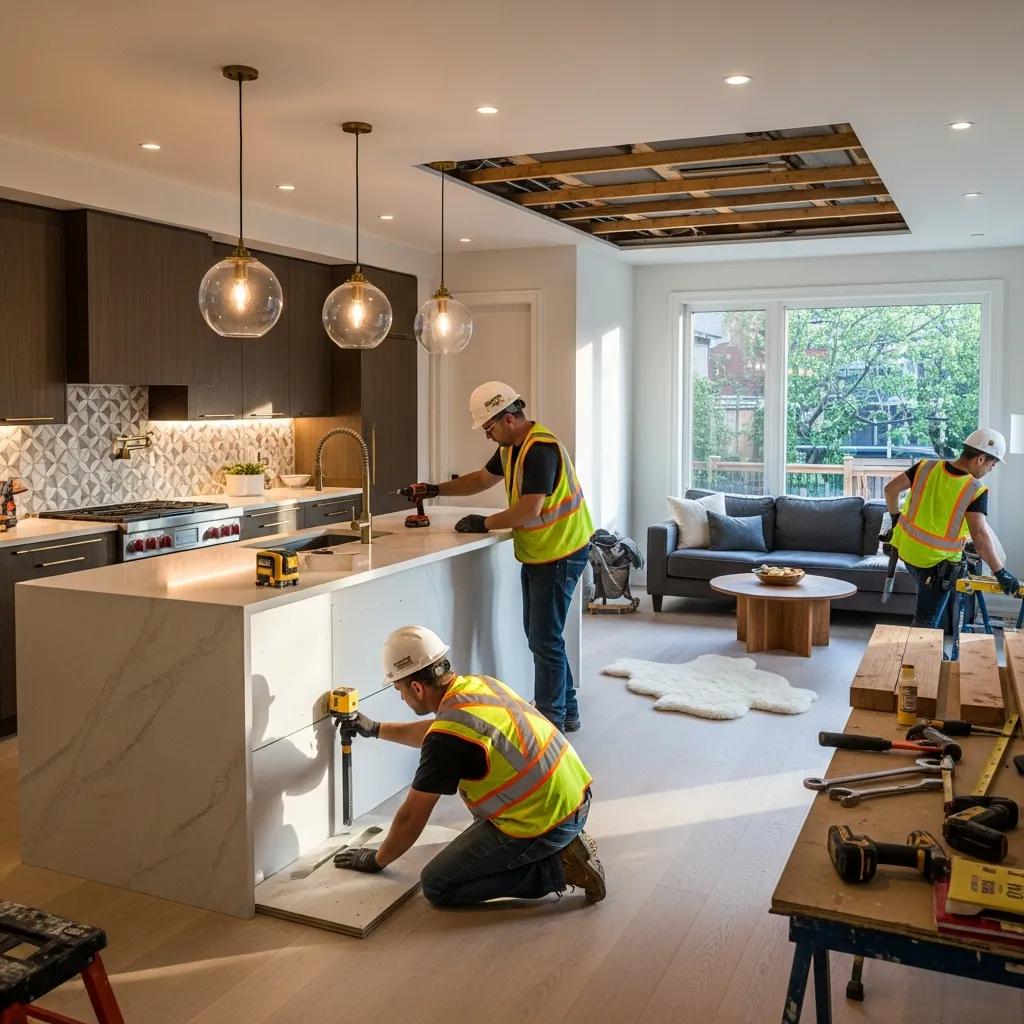
The integrated design‑build model places design and construction under one team and one contract, which shortens feedback loops and aligns scope, schedule and budget from the start. Instead of handoffs between separate parties, the process uses joint planning sessions, shared documentation and early procurement to reduce on‑site surprises. For homeowners the primary benefit is clear accountability — one team owns the outcome, which means fewer change orders and faster resolution when site discoveries happen. Grasping this shift makes it easy to compare design‑build with conventional approaches that separate architects from general contractors and to see how single‑point coordination affects costs, timelines and quality control.
Avantages de la conception‑construction pour les rénovations résidentielles à Toronto : coûts et délais prévisibles
La conception‑construction regroupe la conception et l’exécution sous un seul contrat pour obtenir des rénovations résidentielles plus coordonnées et plus prévisibles à Toronto et dans la RGT. En impliquant architectes, ingénieurs et entrepreneurs dès le départ, on réduit les pertes d’information entre les étapes et on offre aux propriétaires une meilleure visibilité des coûts, un interlocuteur unique et des délais raccourcis. De nombreux propriétaires torontois font face à l’incertitude budgétaire et à des démarches de permis complexes ; la conception‑construction répond à ces enjeux en intégrant planification, gestion des permis et approvisionnement, ce qui accélère la prise de décision et améliore la fiabilité des résultats.
Empirical comparison of design/build and design/bid/build project delivery methods, PP Shrestha, 2009
How Does Design‑Build Provide a Single Point of Contact for Homeowners?
Design‑build gives homeowners a single contact — usually a lead project manager or a small management team — who manages design coordination, permit submissions, procurement and on‑site supervision. That single channel for approvals, updates and decisions reduces communication friction and speeds sign‑offs. Because one team carries responsibility, design choices are grounded in construction realities and blame‑shifting between parties is avoided. Typical homeowner touchpoints — initial consultation, design review, milestone updates and final walkthrough — are clearly defined, which simplifies governance for busy owners and sets expectations for how design‑build resolves cost and schedule uncertainty compared with traditional delivery methods.
What Are the Key Differences Between Design‑Build and Traditional Renovation Methods?
The main differences are responsibility allocation, workflow integration and when contractors get involved. In design‑build, designers and builders collaborate from day one; in a traditional design‑bid‑build approach, design and construction happen in sequence, which can create mismatched expectations, bidding surprises and extra change orders. Design‑build mitigates these risks with joint value engineering, contractor‑led costing during design, and consolidated procurement that secures trade pricing early. The result is often tighter schedules, fewer disputes and clearer budget anchors for homeowners planning major renovations — particularly useful in Toronto’s complex permit and zoning environment.
What Are the Top Financial Benefits of Design‑Build Renovations in Toronto?

Design‑build delivers financial benefits through fixed‑budget options, fewer change orders and procurement efficiencies that ease pressure on hard costs while protecting design intent. A fixed‑budget approach depends on a detailed scope, well‑calibrated allowances and a transparent change‑order policy so price certainty is enforceable — giving homeowners defensible budget anchors before construction begins. Early contractor involvement and integrated procurement also allow bulk purchasing and bundled trade discounts that are hard to achieve with fragmented delivery, improving cost predictability and often increasing renovation ROI. Below is a practical reference of typical cost ranges for common Toronto projects, plus notes on how fixed budgets apply and where owners can expect the clearest returns.
Different projects need different budgeting strategies — use these figures as planning anchors.
| Project Type | Typical Cost Range (GTA) | Fixed Budget Notes / ROI |
|---|---|---|
| Kitchen renovation | $35,000 – $120,000 | Requires a detailed scope and allowances; best ROI when the layout is retained |
| Basement finishing | $25,000 – $75,000 | Early site checks cut structural surprises; fixed pricing shields against unknowns |
| Home addition (single‑storey) | $160,000 – $350,000 | Permitting and structural scope drive variance; fixed budgets need clear scope and contingency caps |
| Bathroom renovation | $15,000 – $45,000 | Plumbing and finishes drive cost; fixed budgets reduce finish‑related change orders |
This table clarifies realistic budget anchors and highlights where fixed budgets offer the strongest protection against cost creep. Homeowners seeking tighter cost control should prioritise detailed scopes, conservative allowances and early site investigations to minimise contingency dependence.
How Does the Fixed Budget Approach Ensure Cost Predictability?
Fixed budgets start with a precise scope, line‑item allowances and clear inclusion/exclusion lists so homeowner and builder agree on deliverables before work begins. The approach uses detailed estimates, contingency protocols and agreed change‑order procedures so any cost impact is transparent. Contractual tools — milestone payments tied to deliverables, holdbacks for incomplete items and a required sign‑off process for changes — enforce the budget. For example, a kitchen with fixed cabinetry allowances and specified appliance models prevents finish indecision from becoming a budget risk. With these measures, homeowners can prioritise features without worrying about uncontrolled price escalation.
In What Ways Does Design‑Build Reduce Unexpected Renovation Costs?
Design‑build lowers unexpected costs through pre‑construction investigations, coordinated design development and consolidated procurement that reveal and resolve risks before trades mobilise. Early site audits — structural, mechanical and subsurface — expose hidden issues so the integrated team can adjust design and budget together. Shared documentation and subcontractor input ensure construction details are vetted by the people who build them, cutting misinterpretation and rework. Those proactive steps reduce costly mid‑project change orders and ensure contingency funds are used deliberately. Coordinated design and procurement discipline controls both hard costs and soft costs like extended supervision.
How Does Design‑Build Simplify Navigating Toronto Building Permits and Regulations?
Design‑build streamlines permit work by assigning the integrated team to manage submissions, code review and City interactions as a single workflow. The team prepares files for the City of Toronto Building Division, coordinates engineers for Ontario Building Code compliance and readies materials for Committee of Adjustment applications when variances are needed. For homeowners this means fewer direct visits to municipal offices and a clearer timeline that anticipates common delays and information requests. The table below summarises typical permits, expected timelines and who manages each step so you can see common hurdles during approvals.
A short permit checklist and timeline help homeowners set realistic expectations.
| Permit / Approval | Typical Timeline | Who Manages It / Common Hurdles |
|---|---|---|
| Building permit (City) | 4–12 weeks (variable) | Design‑build team prepares drawings and submits; reviewers commonly request clarifications |
| Committee of Adjustment (minor variances) | 8–16 weeks | Team prepares the application and notices; neighbour objections can extend the timeline |
| Electrical/plumbing permits | 2–6 weeks | Coordinated submissions with code‑compliant schematics reduce rejections |
| Condo board approvals (where applicable) | 4–10 weeks | Team compiles the package and liaises with boards; meeting schedules affect timing |
This roadmap shows how an integrated team manages the administrative load to keep your project moving. Consolidating responsibility reduces the time homeowners must spend on permit logistics and aligns approvals with the construction schedule.
What Permits and Approvals Does True Form Manage in the Design‑Build Process?
True Form Renovations (also called True Form Construction) acts as the single provider that prepares and submits common permit packages, communicates with municipal authorities and coordinates technical consultants to resolve code questions. Typical permits we manage include building permits, electrical and plumbing permits, Committee of Adjustment applications when required, and condo‑board submission packages for governed buildings. Our integrated model tracks permit timing within the project schedule and delivers consolidated updates so clients aren’t juggling multiple vendor messages. This managed approach lowers the homeowner’s administrative burden and positions projects for smoother municipal review.
How Does Design‑Build Help Overcome Zoning and Ontario Building Code Challenges?
Design‑build tackles zoning and code challenges with early pre‑application reviews, prompt engineer engagement and variance planning tailored to neighbourhood context and lot constraints. For second‑storey additions and other scope that trigger zoning questions, the team reviews lot coverage, rear‑yard setbacks and heritage overlays early and adapts design options to meet code while preserving homeowner goals. Value engineering and early coordination with structural engineers bake code compliance into practical solutions, reducing redesign cycles and permitting delays. Anticipating regulatory constraints helps projects keep their design ambition while meeting Ontario Building Code and local bylaws.
Why Is One Integrated Team Better Than Separate Contractors for Your Home Renovation?
One integrated team reduces friction by centralising decisions, aligning schedules and creating shared accountability that prevents the blame‑shifting common in fragmented delivery. When design, procurement and construction are coordinated, RFIs fall, quality standards are enforced consistently and changes are addressed faster. That collaboration also supports ongoing value engineering — design decisions are weighed against cost and schedule impacts in real time — producing better outcomes at lower risk. The net result is fewer change orders, more predictable timelines and a single contract that clarifies responsibility for both homeowner and delivery team.
A quick comparison shows practical risk impacts between approaches.
| Delivery Method | Risk / Delay Areas | Practical Impact on Cost / Timeline |
|---|---|---|
| Design‑Build | Coordination risks reduced | Faster completion, fewer change orders |
| Design‑Bid‑Build | Scope misalignment between phases | More disputes, schedule extensions |
| Architect‑led + separate GC | Handoffs between design and build | Higher admin overhead, potential for rework |
This comparison highlights how integrated delivery mitigates common risks and produces smoother, faster projects that hold quality and budget. Working with one team reduces administrative steps and speeds on‑site problem resolution.
Conception‑construction intégrée : optimisation des rénovations résidentielles à Toronto
Quelle que soit la variante, l’avantage principal de l’approche conception‑construction est l’intégration des phases de conception et d’exécution en un processus unifié. Cette intégration améliore la communication, renforce la coordination et rationalise le flux de travail, conduisant à une exécution de projet plus efficace et souvent plus rentable.
Integrated practice in architecture: mastering design-build, fast-track, and building information modeling, G Elvin, 2007
How Does Collaboration Between Designers and Builders Improve Project Outcomes?
When designers and builders collaborate early, they can test construction methods, material choices and sequencing together to produce practical solutions that meet aesthetic goals and remain buildable. Regular joint reviews reduce RFIs and revision cycles because constructability issues are caught before drawings are final, saving time and cost. Shared procurement lets teams lock supplier pricing and coordinate deliveries to avoid schedule bottlenecks. This continuous feedback loop improves schedule adherence and raises final quality while minimising surprises — a key advantage over fragmented contracting.
What Are the Common Issues Avoided by Choosing Design‑Build Over Traditional Contracting?
Design‑build prevents problems like contractual finger‑pointing, mismatched schedules between designers and trades, and cost creep from late‑stage design changes. A unified contract makes one party accountable for both design intent and construction execution, simplifying decisions and dispute resolution. Consolidated procurement and joint risk assessments reduce midstream adjustments and lower the administrative load on homeowners. By avoiding these pitfalls, design‑build delivers steadier budgets and timelines — especially valuable in Toronto’s dense neighbourhoods with conditional permitting.
How Does True Form’s Local Expertise Enhance Design‑Build Renovations in Toronto?
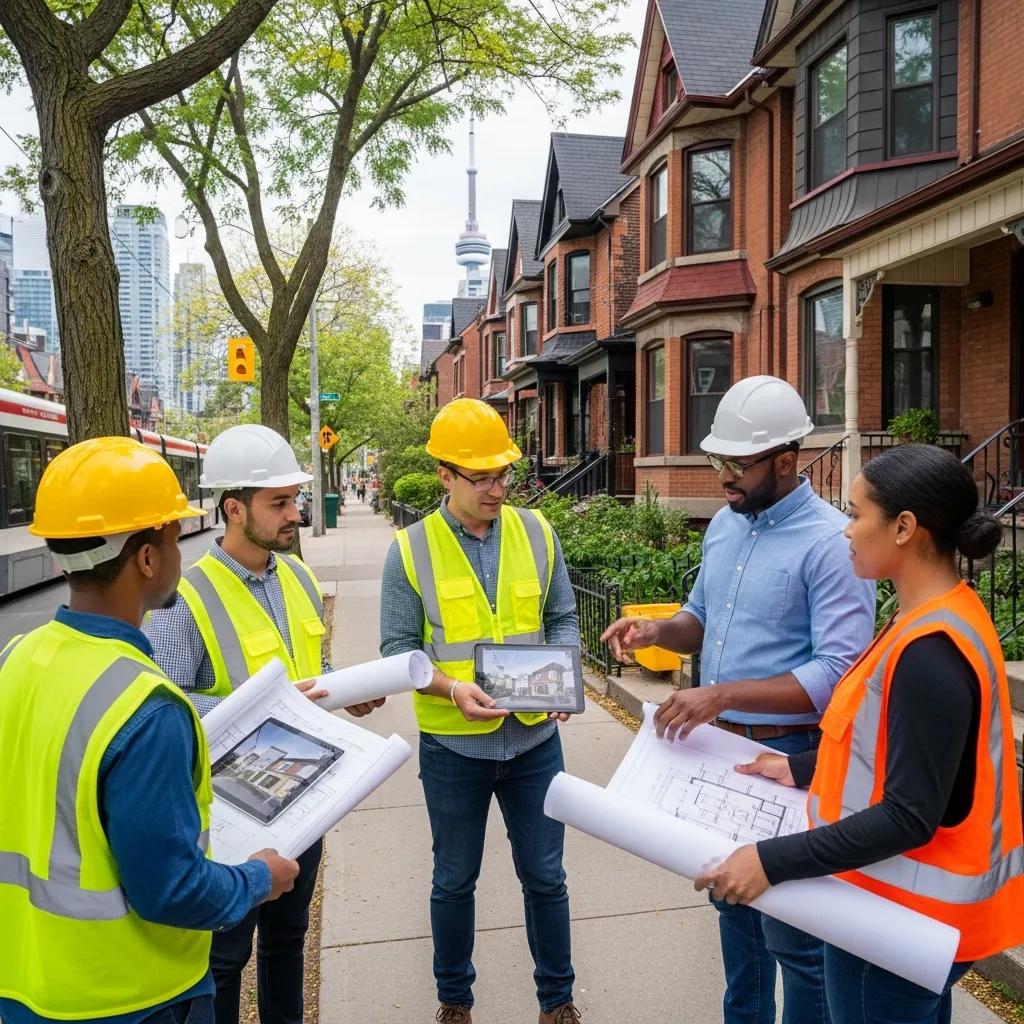
Local expertise shortens design and approval cycles because experienced teams know which municipal rules and neighbourhood patterns commonly cause delays. True Form Renovations serves Toronto and the Greater Toronto Area — including Scarborough, North York, Etobicoke, Thornhill, Vaughan and Markham — and uses housing‑stock knowledge to anticipate structural, bylaw and logistical challenges. Familiarity with lot conditions and permitting culture enables targeted pre‑construction checks and design tweaks that avoid rework. This neighbourhood‑level insight helps homeowners choose renovation strategies that fit local constraints while protecting design goals.
Which Toronto Neighbourhoods Benefit Most From True Form’s Design‑Build Services?
True Form works across many Toronto neighbourhoods and surrounding municipalities where common project types vary with housing stock and lot conditions. Inner‑suburban areas often choose second‑storey additions to gain living space without shrinking yards, older semi‑detached streets typically need coordinated structural upgrades during major renovations, and suburbs like Vaughan and Markham see more ground‑level expansions and custom builds requiring integrated permit planning. Understanding these patterns lets the design‑build team prioritise the quickest routes to approvals and constructability for each neighbourhood, cutting design iterations and municipal back‑and‑forth.
How Does Understanding Local Housing Stock and Bylaws Improve Renovation Success?
Knowing local housing stock and bylaws prevents late redesigns by anticipating issues like heritage overlays, lot coverage limits and typical finished‑floor heights on particular streets. Early identification of these constraints leads to targeted documentation, appropriate variance strategies and construction details that satisfy reviewers. That reduces time lost to rework and helps keep the homeowner’s program within permitted parameters, producing a smoother path from concept to occupancy and a higher chance the renovation meets both aesthetic and regulatory goals.
While this article focuses on residential projects, True Form Renovations also supports commercial clients. Businesses needing reliable, integrated commercial general contracting services can leverage the same design‑build principles for larger developments.
What Are the Step‑by‑Step Stages of True Form’s Design‑Build Home Renovation Process?
We follow a clear five‑step design‑build process so homeowners know deliverables and decision points from concept through warranty handover. The stages are: initial consultation and scope definition; design development and costing; permit submissions and approvals; construction and on‑site project management; and final walkthrough with warranty activation. Each stage produces defined outputs — concept drawings and allowances, permit packages, milestone schedules, weekly updates and a workmanship warranty — so homeowners know when decisions are due and how the team protects their investment. The structured approach reduces surprises and makes it straightforward to request a costed estimate or restoration help when time matters.
Below is a numbered breakdown of the five stages homeowners can expect.
- Initial consultation and scope definition: We establish goals, budget anchors and site constraints to create a clear project brief.
- Design development and costing: We produce concept drawings, select primary materials and convert the design into a fixed‑budget estimate.
- Permit submission and approvals: We prepare and submit permit packages and variance applications as needed, tracking municipal responses.
- Construction and project management: We execute the build with scheduled milestones, quality inspections and regular homeowner updates.
- Final walkthrough and warranty handover: We complete punch‑list items, walk through the finished project and register the workmanship warranty.
What Happens During the Initial Consultation and Design Phase?
In the initial consultation we gather site details, homeowner priorities, budget range and any existing reports or title constraints to shape a workable brief. The design phase turns that brief into concept drawings, preliminary schedules and material selections that form the basis of a fixed‑budget estimate or phased cost plan. Homeowners can speed the process by preparing a wish list, property survey if available, and any prior renovation documents; we’ll discuss allowances for finishes and appliances to keep scope clear. Strong scope clarity at this stage reduces later change orders and positions the project for smoother permitting and construction.
How Are Permits, Construction, and Final Walkthrough Managed Seamlessly?
Permit submissions are coordinated with engineering inputs and code checks, and the integrated team monitors municipal responses while aligning the construction schedule to approval windows. During construction the project manager keeps a regular communication cadence — typically weekly updates, milestone notices and quick escalation for decisions that affect cost or schedule. Quality assurance includes staged inspections, trade coordination meetings and a documented snag list before final walkthrough. After completion we provide a documented handover with warranty terms — for example, a workmanship warranty covering remedial items — and remain available for post‑completion support so your investment stays protected.
If you’re ready to explore a design‑build option, True Form Renovations offers integrated design and build services across the Toronto area and can provide a project estimate or immediate restoration assistance; to request a free estimate or check availability, contact us by phone at (416) 854-1064.
- Prepare project documentation: Gather your property survey, photos and wish list.
- Book an initial consultation: We’ll discuss scope, fixed‑budget options and timelines.
- Review preliminary estimate: Align scope and allowances before permit submission.
