 Instagram
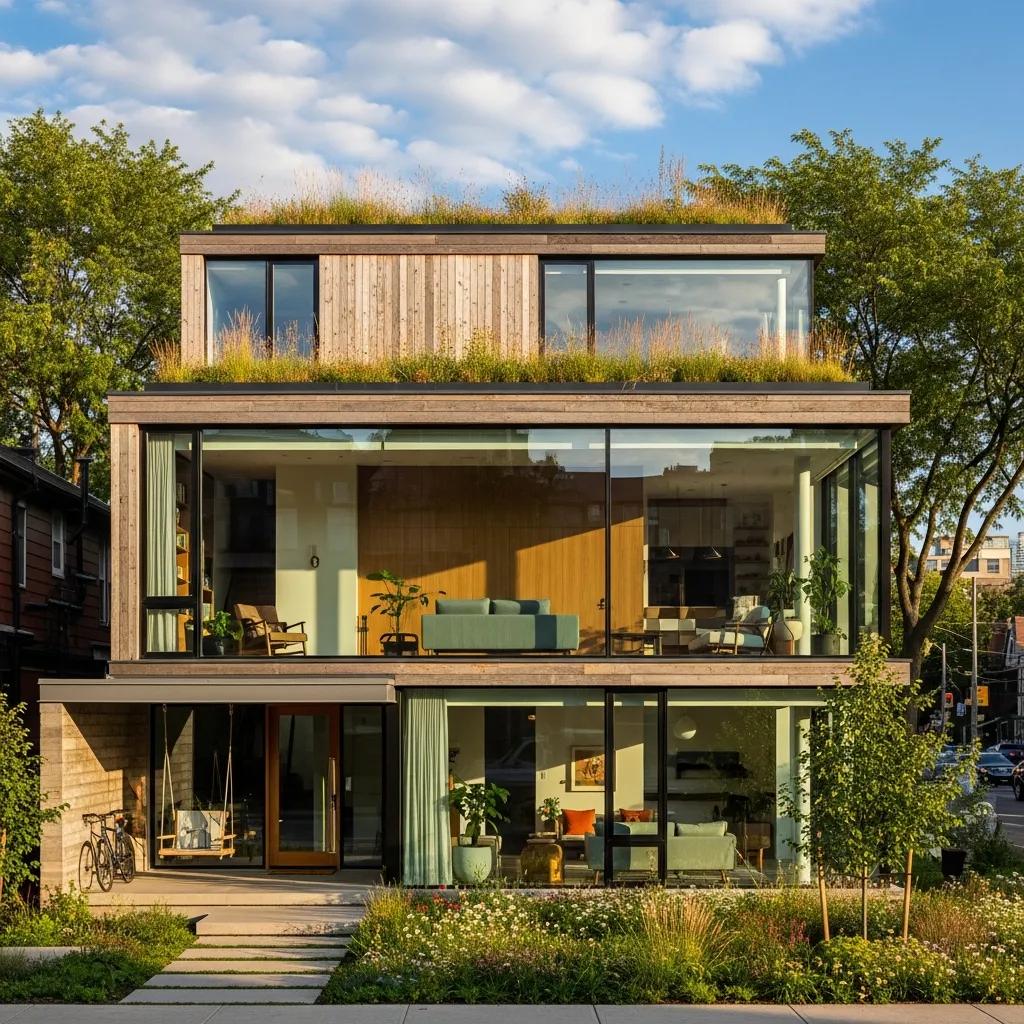
Residential Design Innovations Defining Toronto Homes in 2026
Toronto homeowners and renovators are increasingly choosing design moves that put sustainability, smart systems, flexible layouts and wellbeing first — decisions shaped by our climate, common housing types, and local regulations. This guide breaks those trends down, explains their impact on comfort and resale, and shows how they interact with Toronto‑specific issues like zoning and permits. You’ll get practical, cost-conscious advice on green upgrades, a clear primer on smart‑home tiers, actionable ideas for open and multi‑use plans, and a look at biophilic and luxury directions for 2026. We also map the design‑build delivery model that best manages complex upgrades while keeping budgets predictable. Each H2 section pairs clear definitions, how things work, example implementations and honest trade-offs so you can judge feasibility before you call a contractor. If you’re researching residential design innovations in Toronto, this piece gives local insight, decision‑ready checklists and comparisons that move the conversation from inspiration to next steps.
Top Sustainable Home Design Trends in Toronto

Sustainable residential design in Toronto focuses on cutting operating energy, tightening the building envelope and choosing low‑impact materials that improve indoor air quality and longevity. These approaches reduce heat loss, lower mechanical loads and trim embodied carbon in finishes and assemblies — together delivering better comfort and smaller utility bills over time. Homeowners favour measures with measurable ROI (lower bills, stronger asset value) and the added benefits of healthier interiors and easier code compliance. In our climate, the most effective strategies combine high‑performance insulation, correctly sized mechanical systems and durable, low‑VOC finishes to deliver immediate comfort gains and long‑term resilience. Below are the sustainable upgrades we see most frequently in renovations and custom builds.
Sustainable upgrades Toronto homeowners are choosing:
- High‑performance insulation with meticulous air‑sealing to cut heating demand and reduce thermal bridging.
- Energy‑efficient windows and doors to boost comfort and lower condensation risk.
- Heat pumps and balanced ventilation (HRVs/ERVs) for efficient heating, cooling and fresh air.
- Low‑VOC paints and FSC‑certified wood finishes to improve air quality and reduce embodied impact.
These choices are selected for clear energy and health benefits; understanding material trade‑offs sets realistic cost and maintenance expectations and helps prioritise investments.
Note: the table below compares common material choices, typical cost implications and expected lifespans so Toronto homeowners can prioritise by budget and performance.
| Material / System | Cost Range / Impact | Typical Lifespan & Notes |
|---|---|---|
| High‑performance insulation (spray/rigid) | Moderate–high upfront; reduces annual energy bills | 20–50 years; substantial effect on heating demand |
| Triple‑glazed or thermally broken windows | High upfront; large comfort improvements | 20–30 years; ideal for cold‑climate retrofits |
| Heat pump (air‑source) | Moderate upfront; lowers heating costs vs. gas | 15–20 years; may qualify for incentives |
| Low‑VOC paints & FSC wood finishes | Low–moderate cost; health and sustainability benefits | Refinish cycles 5–15 years; improves indoor air quality |
This table links initial investment to expected performance and lifespan; the right mix depends on your existing building, priorities and budget — which leads into a closer look at eco‑friendly materials.
How Eco‑Friendly Materials Transform Toronto Homes
Eco‑friendly materials improve indoor air quality, reduce maintenance cycles and lower embodied carbon while keeping strong aesthetic appeal. Reclaimed or FSC‑certified wood, low‑VOC paints and recycled stone alternatives create healthier interiors and often attract buyers who value sustainability. While these materials don’t always change operational energy use directly, they boost durability and occupant wellbeing, cutting the need for early replacements. Local availability affects cost and lead time in Toronto, so choosing readily available options helps keep schedules predictable while meeting sustainability goals. Understanding these trade‑offs lets homeowners prioritise health and longevity alongside appearance and lifecycle costs.
The next section covers the energy systems that deliver the largest ongoing savings and how to evaluate them for Toronto homes.
Energy‑Efficient Features Leading Toronto Renovations
High‑performance envelopes, heat pumps, balanced ventilation (HRVs/ERVs) and Energy Star appliances are delivering the biggest operational carbon and bill reductions in Toronto renovations. These measures reduce heat transfer, improve mechanical efficiency and manage indoor air quality — together lowering annual energy use and improving thermal comfort. Costs vary: envelope upgrades and new windows are higher upfront but give lasting savings; smart thermostats and efficient appliances are more affordable quick wins. Evaluate projected utility savings alongside available incentives and the condition of your existing systems to set priorities. Treating the house as a system — insulation, windows and mechanicals — produces the best results, and phased upgrades let you spread costs while improving performance over time.
An assessment checklist to help decide which energy upgrades to pursue first:
- Inspect the envelope for air leaks and missing insulation.
- Review mechanical system age and whether a heat pump retrofit is feasible.
- Prioritise ventilation upgrades to protect indoor air when tightening the envelope.
These assessment steps lead naturally to smart systems that optimise energy use and occupant comfort, covered next.
How Smart Home Technology Is Shaping Toronto Residential Design

Smart home technology is changing residential design by embedding sensors, automated controls and energy monitoring into the building fabric so homes can be more responsive and efficient. That means planning wiring, sensor locations, network capacity and equipment space early so the user experience is seamless and systems stay serviceable. Smart systems reduce energy use through automated HVAC schedules and lighting controls and improve security and convenience with integrated access and surveillance. In Toronto, staged smart upgrade paths — starting with monitoring and scaling to automation — balance cost and usability while enabling future additions without invasive rework. The quick comparison below clarifies installation complexity and typical benefits for common Toronto homes.
| System Type | Installation Complexity / Cost Range | Best Use-Cases |
|---|---|---|
| Smart lighting & switches | Low complexity; low–moderate cost | Immediate convenience and energy savings |
| Smart thermostats & energy monitors | Low complexity; low cost | Quick HVAC optimisation and usage insight |
| Integrated security & access control | Moderate complexity; moderate cost | Whole‑home security and remote access |
| Whole‑home automation hubs & wiring | High complexity; higher cost | Seamless multi‑system control for custom builds |
Incremental installs often deliver the best balance of cost and impact, which leads into specific automated systems and their benefits.
Automated Systems That Improve Comfort and Security in Toronto Homes
Automation for lighting, access control, surveillance and integrated security simplifies daily routines and improves safety through remote monitoring and event alerts. These systems link sensors, cameras and actuators to a management platform so rules‑based actions — dimming lights at dusk or locking doors when everyone leaves — happen automatically. Installation ranges from DIY wireless retrofits to hardwired whole‑home systems that are easiest to include during renovation; interoperability is a key selection factor. Many homeowners start with security and lighting for immediate lifestyle gains, then add HVAC scheduling and energy dashboards as needs grow. Choosing open‑standard platforms today reduces vendor lock‑in and makes future upgrades simpler.
The next subsection explains how these smart technologies also cut energy use and operating costs when set up correctly.
How Smart Technology Boosts Efficiency and Convenience
Smart tech improves energy efficiency by coordinating HVAC, lighting and appliance use with schedules, occupancy sensing and feedback loops that encourage conservation. Energy monitors provide actionable data so homeowners can shift loads to off‑peak times or change behaviour; automated setbacks and geofencing reduce wasted heating and cooling when a home is empty. Convenience comes from centralised control and predictive automation that matches comfort to occupancy patterns, cutting manual adjustments. In Toronto, pairing smart controls with efficient mechanical systems like heat pumps multiplies savings and responsiveness across seasons. Implementing smart tech in stages — monitoring, then control, then automation — maximises return while keeping first costs manageable.
These smart‑integration considerations lead into the spatial design choices homeowners often address alongside system upgrades.
Why Open‑Concept and Multi‑Functional Spaces Are Popular in Toronto Renovations
Open plans and multi‑functional spaces are in demand in Toronto because they respond to urban living constraints, increase perceived space and adapt to changing household needs. Removing non‑structural partitions, aligning sightlines and using consistent finishes creates brighter, more social layouts that appeal to buyers and suit remote work and flexible lifestyles. These plans work by unifying circulation and lighting strategies and by enabling zones that switch between living, working and entertaining with minimal change. Structural questions — like which walls are load‑bearing — need resolving early, and acoustic treatments protect privacy without sacrificing openness. Below are the main benefits driving demand for open, flexible spaces in Toronto homes.
Key benefits of open‑concept and multifunctional designs:
- Improved natural light: Fewer partitions let daylight reach deeper into the home.
- Greater flexibility: Rooms can serve several functions as needs evolve.
- Perceived spaciousness: Open sightlines make compact footprints feel larger.
Understanding these benefits informs layout techniques and storage strategies described next.
How Open‑Concept Layouts Maximise Flow and Flexibility
Open layouts improve flow by aligning circulation routes, using continuous flooring and arranging furniture to define zones without building walls. Sightlines from kitchen to living areas boost social interaction, while well‑placed islands and built‑in storage preserve definition and order. Designers manage noise and privacy trade‑offs with acoustic panels, pocket doors and zoned HVAC so occupants have control over different areas. In Toronto homes where lot widths and existing structures limit expansion, targeted moves — removing short partitions and using consistent materials — often deliver the biggest perceived gains for modest cost. These tactics keep spaces flexible while maintaining day‑to‑day comfort.
Below are practical multifunctional room ideas for tight urban footprints.
Effective Multi‑Functional Room Ideas for Toronto Homes
Multi‑functional rooms turn single‑purpose spaces into adaptable zones — examples include pairing a home office with a guest room, centring dining and prep around a kitchen island, or converting basements into regulated rental suites where permitted. Success relies on flexible furniture (folding desks, Murphy beds), integrated storage and clear service zoning for plumbing and electrical so the space performs across uses. For rental suites, confirm regulatory requirements; for family spaces, sightline and acoustic planning keeps comfort when multiple activities happen at once. Cost‑effective conversions focus on storage, lighting and durable finishes to keep maintenance low and performance high.
These spatial strategies often pair naturally with biophilic and wellness features that support occupant health, covered next.
Key Features of Biophilic and Wellness‑Focused Design in Toronto Homes
Biophilic and wellness design prioritises connections to nature and improved indoor environmental quality through material choices, daylighting, ventilation and acoustics. These features increase daylight access, add plant life and natural textures, and optimise HVAC and filtration to manage humidity and pollutants — yielding measurable gains in sleep, productivity and overall wellbeing. Toronto renovations commonly include larger windows or light wells, indoor plant installations, low‑VOC materials and systems that keep ventilation balanced. Start with a hierarchy: daylight and views, air quality, thermal comfort, then acoustics — addressing each in sequence makes upgrades more effective and cost‑efficient.
Core biophilic components homeowners use to create wellness‑focused interiors:
- Living walls, planters and indoor gardens to introduce vegetation and help moderate humidity.
- Natural materials (stone, FSC wood) and tactile textures that reduce cognitive load and increase comfort.
- Thoughtful daylighting and operable windows to connect occupants to natural light cycles.
These biophilic elements improve occupant comfort and suggest practical retrofit options for Toronto housing stock.
How Biophilic Design Connects Toronto Homes to Nature
Biophilic design connects homes to nature through daylight optimisation, view corridors, indoor planting and material choices that echo natural textures and colours. In retrofit situations common to Toronto’s rowhouses and semi‑detached homes, adding courtyards, light shafts or careful window enlargements increases daylight without sacrificing privacy; container planting and living walls bring seasonal greenery indoors. Materials chosen for grain, colour and tactile quality — like FSC timber or honed stone — create a physical connection to nature in dense urban settings. Plan maintenance and irrigation for living systems from the start to ensure long‑term success. These strategies deliver psychological and physiological benefits that improve daily life and resale appeal.
The next subsection outlines measurable wellness elements and the systems that support them.
Wellness Elements That Improve Comfort and Well‑Being
Wellness elements such as balanced mechanical ventilation (HRVs), filtration, humidity control, acoustic treatment and ergonomically planned spaces directly improve sleep, respiratory health and daily comfort. Heat recovery ventilation brings in fresh air while conserving energy; filtration reduces particulates and allergens; and moisture control prevents mould in Toronto’s variable climate. Acoustic strategies — absorptive finishes and considered layout — reduce stress and improve focus in multi‑use homes. Combined, these systems raise indoor environmental quality in measurable ways and integrate well with the energy‑efficiency and smart strategies discussed earlier.
These wellness investments also pair with the aesthetic trends shaping Toronto’s higher‑end interiors, explored next.
Modern Architectural Styles and Aesthetic Trends in Toronto Luxury Homes
Toronto’s 2026 luxury interiors blend minimalist structure with tactile textures, expressive ceilings and curved furniture to create spaces that feel refined yet welcoming. This direction emphasises quality materials, layered lighting and textured surfaces — matte plaster, sculpted woodwork and statement ceilings — to elevate perceived value. Designers balance restrained palettes with accent tones and sculptural elements so rooms feel timeless with moments of drama. These visual choices guide sightlines, create focal points and scale spaces so even large rooms feel human and inviting. Practical implementation pairs trend‑driven details with durable finishes that stand up to daily use and protect resale value.
Next, we look at the furniture and wall treatments shaping Toronto interiors today.
Curved Furniture and Textured Walls: What’s Driving the Shift
Curved furniture and textured walls soften modern rooms and create approachable, comfortable interiors compared with older rigid forms. Curved sofas, rounded cabinet edges and arched openings break linear sightlines and encourage sociable arrangements. Textured walls — plaster, fluted panels or tactile wallpapers — add visual depth and help with acoustics while delivering drama without heavy colour. These elements work best when balanced with simpler surrounding finishes to avoid visual clutter and often pair with statement lighting to define focal areas. For homeowners, targeted investments in standout pieces or a single treated wall can yield high perceived value at a moderate cost.
Having covered form, the following subsection looks at the palette and ceiling strategies that complete the look.
Colour Palettes and Statement Ceilings Trending in 2026
2026 palettes favour warm neutrals, muted jewel accents and layered tones that create depth without overwhelming a room, while statement ceilings — bold paint, coffered geometry or textured finishes — lift the eye and add architectural interest. Colour choices are selected to enhance daylight and material textures; warm neutrals amplify wood tones while deeper accents ground open plans. Statement ceilings define zones, improve proportion and create dramatic moments in otherwise restrained schemes. In small rooms a darker ceiling can add coziness; in larger volumes, sculptural treatments add scale and sophistication. Thoughtful palette and ceiling choices round out the sensory and visual strategies described earlier.
How True Form Renovations’ Integrated Design‑Build Model Supports Innovative Toronto Projects
True Form Renovations (operating as True Form Construction) uses an integrated design‑build model that brings designers, builders and project managers into one coordinated team to reduce friction, speed decisions and keep budgets clear. Design‑build collapses traditional handoffs — from architect to contractor — into a single process where constructability and cost are considered at every design step, turning innovative concepts into buildable outcomes more reliably. For Toronto homeowners that means fewer change orders, clearer timelines and one point of accountability for design quality and permitting. True Form’s local experience across Toronto and the GTA helps navigate permits, zoning questions and energy upgrades while keeping financial transparency front and centre.
Below is a comparison showing how design‑build stacks up against other delivery approaches for common homeowner concerns.
| Delivery Model | Timeline / Single-Point Accountability | Cost Predictability / Practical Outcome |
|---|---|---|
| Design‑Build (integrated) | Shorter, coordinated timelines; single contract and team | Greater cost predictability through aligned design and procurement |
| Traditional Design‑Bid‑Build | Longer due to sequential handoffs; multiple contracts | Higher risk of scope creep and change orders during construction |
| Design‑Assist / CM | Collaborative but can still involve multiple stakeholders | Improved coordination but outcomes depend on contract structure |
This comparison explains why many homeowners pick integrated models for innovation‑heavy projects and leads into the specific operational benefits and permit support we provide.
Benefits of a Unified Design‑Build Team for Toronto Renovations
A unified design‑build team streamlines communication, reduces costly design‑to‑construction changes and centralises responsibility for schedule and quality — especially valuable when installing advanced systems or sustainability upgrades. Cross‑discipline coordination resolves structural, mechanical and electrical issues during design, minimising surprises on site and shortening timelines. Homeowners gain consolidated budgeting and a clearer path to phasing complex work while protecting design intent. In Toronto’s regulatory environment, a single team also simplifies conversations with municipal reviewers because coordinated, permit‑ready documentation anticipates common code and bylaw questions.
The next subsection explains how an integrated team manages permits and code complexity for Toronto projects.
How True Form Handles Toronto Building Codes and Permits for Innovative Designs
True Form manages permit workflows, zoning reviews and code compliance by preparing coordinated submission packages and liaising with municipal staff to move approvals forward while protecting design intent. For projects like additions or second‑storey work, this includes feasibility reviews, targeted code analysis and Committee of Adjustment support when variances are needed — all handled by one team to reduce homeowner burden. The process typically follows concept validation, permit documentation, submission and municipal follow‑up until issuance, with staging aligned to Toronto timelines and inspection schedules. Our model emphasises financial clarity with fixed‑budget framing where feasible and invites homeowners to request a free estimate or immediate help to evaluate project viability and next steps.
Before we finish, here are practical checklist items homeowners commonly use when preparing for an innovation‑focused renovation.
- Document existing conditions: Gather original drawings, photos and mechanical history to inform scope and avoid surprises.
- Set performance priorities: Decide whether energy, wellness, aesthetics or flexibility is the primary goal.
- Budget for contingencies and permits: Include municipal fees and potential variance costs to avoid schedule surprises.
Following these steps ties together the technical, aesthetic and regulatory threads covered here and positions homeowners to move from research to a well‑scoped project with a design‑build partner.
EAV Table: Delivery Models (Supplement)
This final comparison isolates key homeowner concerns to clarify the practical outcomes of each delivery choice.
| Approach | Characteristic | Practical Outcome |
|---|---|---|
| Design‑Build | Single‑team accountability | Simplified decisions and fewer change orders |
| Design‑Bid‑Build | Sequential contracts | Greater risk of miscommunication and delays |
| Design‑Assist | Collaborative consultant input | Better coordination but responsibility can vary |
This table reinforces the point: choosing an integrated delivery model typically reduces risk and keeps budgets more predictable for innovation‑driven Toronto projects.
- Prioritise research and feasibility: Start with a clear list of goals and constraints.
- Use staged upgrades: Phase systems and envelope work to match budget and permit timing.
- Engage an integrated partner early: Early collaboration reduces surprises and speeds approvals.
These action items help bridge inspiration to execution for homeowners pursuing residential design innovations in Toronto.
For homeowners planning specific improvements, specialised services can provide tailored guidance. For example, detailed information on Bathroom Renovations can help you scope your next project effectively.
For homeowners planning larger or commercial‑scale improvements, specialised services can provide tailored guidance. For example, detailed information on Commercial General Contracting can help you understand larger project options.
