 Instagram
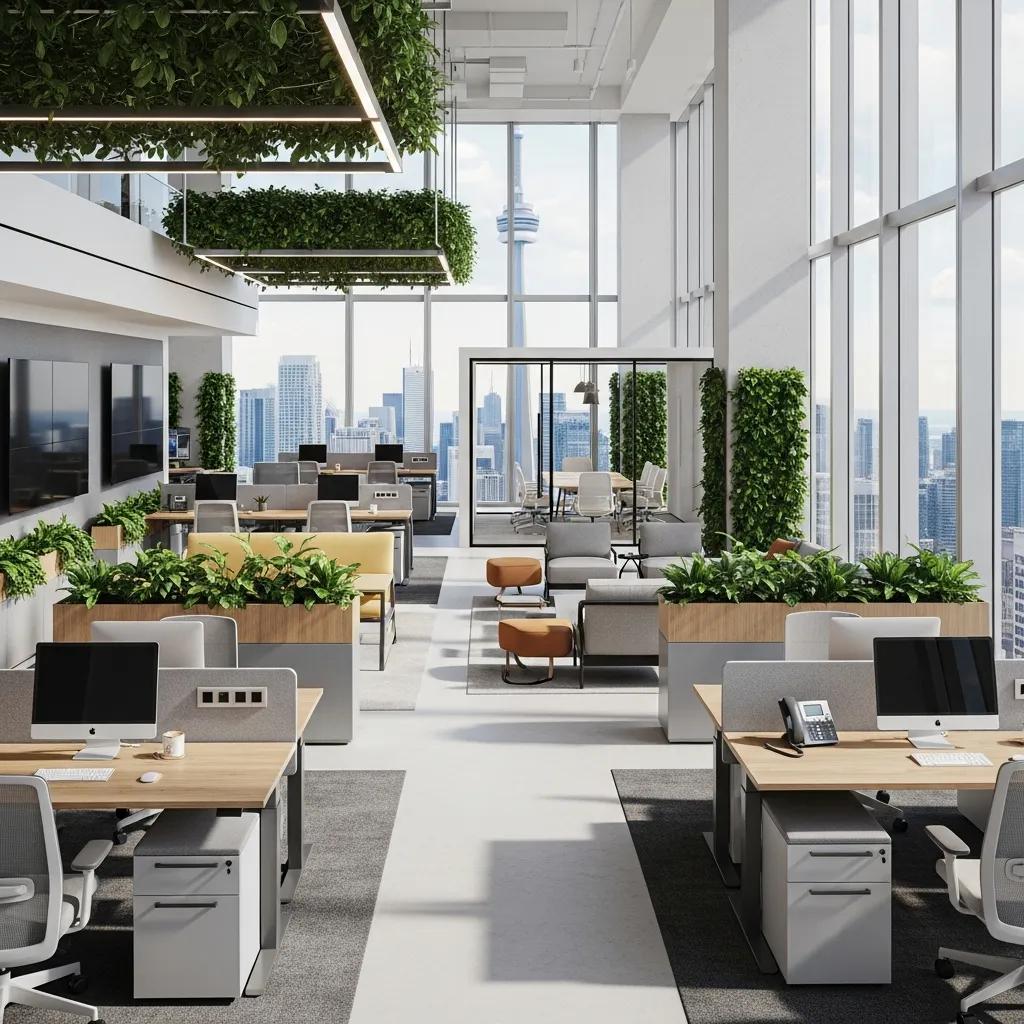
Toronto Commercial Interior Design Trends for 2025 — What Modern Businesses Need to Know
In 2025, commercial interior design in Toronto is about blending sustainability, smart technology and people-first planning to create healthier, more efficient workplaces that meet local codes and market expectations. This guide breaks down the trends shaping Toronto interiors—why they matter, how they work, and the practical steps businesses should take to adopt them. You’ll find clear definitions, benefits tied to how things operate, cost and permitting considerations, plus actionable implementation advice geared to Toronto’s building types and regulatory landscape. We also explain how delivery models reduce project risk and keep budgets predictable, and preview sections on sustainability, tech integration, flexible workspaces, wellness-focused design, brand-led aesthetics, and how True Form Renovations supports projects through design-build, permitting and fixed-budget contracting. If you’re planning a fit-out, retrofit or full commercial renovation, this guide translates trends into practical decisions you can act on.
What Are the Top Sustainable Commercial Design Trends in Toronto for 2025?

Sustainable commercial design in Toronto focuses on cutting operating energy, improving occupant health and meeting evolving procurement and permitting expectations—moves that lower lifecycle costs and strengthen asset value. Common tactics include HVAC efficiency upgrades, smarter lighting controls and material choices that reduce embodied carbon. The outcomes are lower utility bills, better indoor environmental quality and greater tenant appeal. Local drivers—like updated energy codes and Toronto Green Standard Tier 2+ requirements—plus market demand for ESG-friendly leases make sustainability both a compliance obligation and a competitive advantage. Below are the sustainability approaches gaining traction in Toronto and a one-line summary of their benefits.
- Passive and envelope improvements: reduce energy loads and simplify mechanical systems.
- LEED-certified fit-outs and low-carbon materials: improve marketability and lifecycle performance.
- Energy-efficient HVAC and heat-recovery systems: lower operating costs and improve comfort.
- Living green walls and biophilic elements: increase wellbeing and perceived productivity.
- Occupancy-based lighting and controls: cut energy use and support flexible operations.
Each of these trends carries specific permit and design implications; the next sections walk through certification impacts and practical biophilic strategies for Toronto projects.
The table below compares common sustainability approaches by cost, timeline and permitting implications so Toronto decision-makers can weigh options during feasibility planning.
| Approach | Typical Cost Range (Toronto) | Permitting / Timeline Implications |
|---|---|---|
| Passive envelope upgrades (insulation, windows) | $20k–$150k depending on scope | May require building permit; longer lead time for heritage façades |
| LEED-certified fit-out | $15k–$60k certification + scope costs | Documentation adds design time; coordination with code reviews |
| HVAC energy upgrade with heat recovery | $25k–$200k | Mechanical permits and inspections mandatory; phased work possible |
| Living green walls / biophilic features | $3k–$50k | Often permit-light but structural/irrigation reviews required for large systems |
This comparison shows passive and mechanical upgrades generally carry higher upfront costs and formal permitting, while biophilic interventions can often be staged to limit disruption and manage cash flow.
How Does LEED Certification Influence Toronto Commercial Renovations?
LEED certification shapes commercial renovations by setting measurable targets for materials, energy, water and indoor environmental quality—shifts that change design priorities and procurement choices. LEED’s point-based system requires documentation, testing and sometimes commissioning, which affects contractor selection, scheduling and approval workflows. For project teams this means involving sustainability specialists earlier, tightening material tracking and clarifying owner expectations around lifecycle performance and reporting. LEED work typically extends design and documentation by several weeks to a few months and may require third‑party verification before occupancy. Accounting for these needs during feasibility keeps timelines and budgets realistic before permit submission.
Research shows LEED certification strongly influences green-building decisions in Toronto’s core urban markets.
Impact de la certification LEED sur les décisions de construction écologique à Toronto
Cette étude examine comment la certification LEED influe sur la décision de construire ou de rénover de manière écologique dans le noyau urbain de Toronto. Les parties prenantes interrogées indiquent que la certification LEED joue un rôle significatif dans ces décisions.
Decisions by key office building stakeholders to build or retrofit green in toronto’s urban core, 2021
Evidence also links LEED-certified buildings to stronger net rental rates for office space in Toronto.
Studies have found a correlation between LEED certification and higher net rental rates for Toronto office space.
Certification LEED et taux de location pour les espaces de bureaux commerciaux à Toronto
Cet article évalue l’impact de la certification LEED sur les taux de location nets des espaces de bureaux commerciaux à Toronto. L’étude montre que les immeubles certifiés LEED tendent à obtenir des taux de location nets supérieurs aux immeubles non certifiés, ce qui souligne la valeur commerciale de la durabilité.
An assessment of LEED certification’s impact on net rental rates for commercial office space in Toronto, Ontario, 2016
What Are the Benefits of Biophilic Design in Toronto Commercial Spaces?
Biophilic design reconnects people with natural patterns—daylight, plants and tactile materials—which reduces stress and supports cognitive performance. Tactics include improved daylighting, indoor planting, natural material palettes and visual connections to outdoor green space; outcomes include better perceived air quality, higher job satisfaction and lower absenteeism. Toronto’s mix of heritage buildings, converted lofts and modern towers creates many opportunities for biophilic touches—from simple planters to engineered living walls. Many firms phase these changes so they can measure wellbeing outcomes before larger capital investments.
Research suggests adding nature to Toronto offices can noticeably improve employee wellbeing and lower stress.
Conception biophile dans les bureaux torontois pour la santé et le bien-être des employés
Cette étude a analysé l’environnement des bureaux urbains dans la région de Toronto pour déterminer si l’absence de nature affecte le stress des employés. Elle conclut que mieux intégrer des éléments naturels dans les bureaux peut améliorer la santé mentale et physique des travailleurs.
Green-Booting the Office: Designing a healthier office for employees in Toronto, 2018
How Is Technology Integration Shaping Toronto’s Commercial Office Design?

Technology in Toronto offices links building systems, occupant data and digital tools to reduce energy, personalize comfort and speed design decisions—delivering measurable operational and user-experience gains. The core mechanism is sensor-driven data and localized automation: IoT feeds building management systems to enable smart lighting, HVAC zoning and occupancy analytics that lower costs and support hybrid work. AR/VR tools speed approvals and cut rework by improving visualization and clash detection during fit-outs. These systems require coordinated cabling, cybersecurity planning and tight contractor coordination, so early planning is essential to avoid costly late-stage fixes.
Key smart-office technologies in Toronto projects balance upfront cost with energy and productivity returns.
- Smart lighting systems using occupancy sensors and daylight harvesting to reduce energy.
- HVAC automation and demand-control ventilation to improve air quality and efficiency.
- IoT occupancy sensors and analytics for space utilization and predictive maintenance.
- AR/VR planning tools for immersive approvals and clash detection.
These technologies save operating costs and improve occupant experience, but they demand early coordination between design, construction and IT teams to integrate cabling, security and maintenance consistent with Toronto building practices.
The table below summarizes typical Toronto cost ranges for common smart-office technologies and the primary benefits owners should expect.
| Technology | Typical Cost Range (Toronto) | Benefit |
|---|---|---|
| Smart lighting retrofit | $2k–$25k | Energy savings and adaptive lighting control |
| IoT occupancy sensors | $1k–$15k | Space analytics and reduced real-estate waste |
| HVAC automation upgrades | $10k–$150k | Improved air quality and lower operating costs |
| AR/VR design workflows | $3k–$30k | Faster approvals and reduced rework |
Integration note: Complex tech rollouts benefit from a single, integrated team—design-build delivery that manages specialist subcontractors and coordinates IoT and AR/VR reduces schedule friction and technical conflicts, easing installation and commissioning.
What Smart Office Technologies Are Businesses Adopting in Toronto?
Toronto firms are adopting a layered technology stack to address comfort, energy and space intelligence through coordinated sensors, controls and analytics. Smart lighting and sensor networks dim lights in vacant spaces and harvest daylight, while HVAC automation with demand-control ventilation protects air quality and reduces wasteful conditioning. Occupancy analytics reveal real usage patterns so teams can right‑size collaborative zones and quiet-focus areas. Early coordination with cybersecurity, IT and facilities is critical to ensure reliability and compliance with corporate privacy and security standards.
How Does AR/VR Enhance Commercial Design Planning in Toronto?
AR/VR speeds planning by letting stakeholders experience proposed layouts before construction, which reduces approval cycles and costly design changes. These tools let teams walk proposed spaces, test furniture and traffic flow, and spot clashes between mechanical runs, structure and millwork before build‑out. That reduces RFIs and on-site rework, compressing schedules and lowering change-order risk—especially important for Toronto fit-outs with tight lease timelines or phased occupancy. Close collaboration with construction teams keeps virtual models aligned with as-built conditions and ensures AR/VR outputs feed directly into procurement and subcontract scopes.
What Are the Latest Flexible Workspace Trends for Toronto Businesses?
Flexible workspace design in Toronto responds to hybrid work by prioritizing multipurpose zones, easy reconfiguration and reservation-based capacity planning to meet peak demand without oversupplying desks. The value mechanism is modularity: movable partitions, modular furniture and digital booking systems let spaces shift between collaboration, quiet focus and presentations—reducing long-term fit-out costs. Benefits include better space utilization, lower lease cost per productive employee and the ability to phase changes without a full shutdown. When choosing modular solutions, weigh lifecycle durability against initial savings and consider phased rollouts to spread capital and limit disruption.
The table below helps Toronto businesses compare phased modular installs versus full fit-outs and their expected timelines.
| Approach | Characteristic | Implementation Timeframe |
|---|---|---|
| Phased modular install | Low disruption, scalable | 2–8 weeks per phase |
| Full fit-out | Unified aesthetics, single shutdown | 8–20 weeks |
| Hybrid (core + modular) | Fixed core, flexible perimeter | 4–12 weeks |
Integration note: Phased delivery pairs well with fixed-budget contracting by letting owners stage scope and payments—useful for businesses managing disruption and cash flow during multi-phase modernizations.
How Do Hybrid Work Models Influence Toronto Office Layouts?
Hybrid work shifts layouts toward fixed cores—reception, collaboration hubs and meeting centres—while turning desks into flexible, reservable resources rather than assigned seats, cutting space-per-employee metrics. Demand-based design responds to peak-day needs with movable furniture and bookable quiet zones, shrinking permanent desk footprints and increasing amenity density. Practical tactics include reservation systems, touchdown stations and a mix of bookable meeting rooms plus informal collaboration niches. For Toronto businesses this approach can reduce lease costs, increase employee choice and simplify future reconfiguration as hybrid patterns evolve.
What Role Does Modular Furniture Play in Toronto Commercial Interiors?
Modular furniture enables rapid reconfiguration and cost-effective lifecycle management by letting businesses reuse components instead of doing full refits—valuable in Toronto’s competitive office market. The componentized approach—panels, desks and storage that recombine—reduces waste and speeds tenant turnover. Modular systems typically cost less up-front than custom millwork and reduce downtime when teams scale or reorganize, though they may offer fewer premium finish options. Choose modular over custom based on expected tenancy duration, brand priorities and long-term maintenance plans.
Why Is Wellness-Oriented Design Essential in Toronto Commercial Interiors?
Wellness-focused design matters because healthier indoor environments boost performance, improve retention and reduce absenteeism—translating into stronger productivity and lower occupancy costs. The approach combines ergonomic furniture, improved air filtration, daylighting strategies and dedicated wellness spaces; together these elements reduce stress, sharpen concentration and support physical comfort. In Toronto, that often means targeted HVAC upgrades, better filtration and daylight optimization to offset seasonal light swings. Employers that treat wellness as an operational investment frequently see improved morale and measurable drops in health-related downtime.
Key wellness features Toronto businesses should prioritize include ergonomic furniture, upgraded filtration, daylighting and dedicated wellness or quiet rooms to support mental and physical health.
- Ergonomic adjustable desks and monitor arms to reduce strain.
- Enhanced air filtration and ventilation upgrades to improve IAQ.
- Daylight strategies and glare control to support circadian rhythms.
- Wellness rooms and quiet zones for decompression and private calls.
Prioritizing these features early ensures they integrate with mechanical systems and fit into permitting and budget plans for Toronto renovations.
How Do Ergonomic Features Improve Employee Well-being in Toronto Offices?
Ergonomic features reduce musculoskeletal strain, increase comfort and help people sustain productivity for longer—lowering absenteeism and workers’ compensation risk. Practical elements include height‑adjustable desks, supportive chairs, monitor arms and sit‑stand strategies that promote neutral postures and cut repetitive strain. Our recommendation for Toronto clients is to budget for priority ergonomic items in high-use areas first and pilot solutions before a full rollout to confirm employee acceptance. These investments typically pay back through reduced discomfort-related productivity loss and are straightforward to specify during a fit-out.
What Are the Benefits of Wellness Rooms and Improved Air Quality in Toronto Workspaces?
Wellness rooms and improved indoor air quality (IAQ) provide privacy, support mental health and reduce airborne contaminants—benefits that matter in dense Toronto office environments. IAQ improvements rely on better filtration, balanced ventilation and demand-control ventilation tied to occupancy, which together lower pathogens and allergens and improve perceived comfort. Wellness rooms offer a quiet retreat for private calls or short breaks, aiding cognitive recovery and reducing stress. Adding these features may require coordination with HVAC contractors and minor permitting for mechanical changes, so include them in early scope planning.
How Can Toronto Businesses Use Brand-Driven Aesthetics in Commercial Design?
Brand-driven design turns corporate identity into colour, materials and spatial gestures that reinforce culture, client perception and recruitment appeal. The approach is a deliberate design language that links finishes and signage to brand values. In Toronto, effective brand-driven interiors balance bold moments—feature walls, signature colours, custom millwork—with neutral backdrops that age gracefully and adapt to tenant changes. Choose durable, maintainable materials for high-traffic areas and leverage local craftsmanship where it adds value. A staged approach lets firms prioritize high-impact brand moments first while deferring lower-priority elements to control capital spend.
Practical ways to apply brand-driven aesthetics in Toronto include targeted feature elements, a consistent material hierarchy and scalable signage strategies.
- Create a feature wall or branded reception to make a strong first impression.
- Use a consistent material palette across touchpoints for cohesion and durability.
- Incorporate scalable branding elements that refresh easily without a full refit.
Focusing on a few high-impact brand moments keeps costs manageable while delivering a clear identity across workspaces and client-facing areas.
How Does Custom Branding Influence Commercial Interior Design in Toronto?
Custom branding guides interior investments toward elements that communicate identity—reception features, named meeting rooms, bespoke millwork and curated material pairings—each reinforcing company culture and client perception. The principle is targeted investment: prioritize high-visibility touchpoints to maximize impact while keeping ancillary areas neutral. For Toronto projects, branding decisions must account for maintenance, signage licensing in some buildings and landlord design guidelines. Sequence branding so core operational needs come first and signature elements are added after systems are stable.
What Are Effective Ways to Use Bold Colours and Mixed Materials in Toronto Offices?
Bold colours and mixed materials create memorable spaces when paired with thoughtful lighting and durable finishes that withstand daily use. Contrast and texture guide movement and clarify zones. Across Toronto’s range—from heritage interiors to glass towers—pair bold accents with neutral foundations to maintain long-term appeal and reduce refresh frequency. Practical rules: test colours under proposed lighting, choose wipeable finishes for high-touch areas, and use mixed materials to define public, semi-public and private zones. Validate choices with mock-ups to confirm aesthetic and operational performance before full installation.
How Does True Form Renovations Support Toronto Commercial Design Trends?
True Form Renovations (also operating as True Form Construction) supports Toronto commercial projects with an integrated design‑build model that combines design, construction and permit navigation in one accountable team. That approach reduces delays, lowers coordination errors and offers transparent fixed‑budget options. Their full-service offering covers commercial general contracting and interior renovations across Toronto and the GTA, with in‑house teams that produce clear project roadmaps and itemized contracts so owners understand costs from feasibility to occupancy. For clients worried about regulatory complexity, True Form manages permitting and Ontario Building Code compliance to keep projects moving. If you need a free estimate or fast help with emergency restoration or renovation planning, True Form acts as a single point of responsibility to simplify decisions and protect your budget.
What Are the Benefits of True Form’s Integrated Design-Build Model for Toronto Commercial Projects?
True Form’s integrated model centralizes responsibility—design, procurement and construction are coordinated by one team—minimizing handoffs that cause delays and scope gaps that lead to change orders. The “one team” approach creates clearer accountability and a unified project roadmap that accelerates timelines and streamlines communication for Toronto stakeholders. This delivery method reduces rework risk and produces more predictable outcomes than fragmented models—especially helpful for complex permit and mechanical coordination in Toronto retrofits. Owners who value schedule certainty and financial clarity will find the integrated model aligns incentives and eases execution risk.
How Does True Form Navigate Toronto’s Commercial Permits and Budget Transparency?
True Form manages permit workflows by running early zoning and code reviews, preparing and submitting permit applications, and coordinating inspections to keep timelines and compliance on track under Ontario Building Code rules. Their fixed-budget proposals come as transparent, itemized contracts that spell out scope items, direct costs and contingencies so clients see how funds are allocated and where risk remains. This transparency helps Toronto businesses stage decisions, prioritize phased fit-outs and match spend to operational needs without surprise cost escalation. For urgent needs like emergency restoration or commercial renovation planning, True Form provides intake and response pathways to speed assessments and restore operations quickly.
