 Instagram
Discover Toronto’s Most Popular Architectural Styles — a Practical Guide to Heritage Homes and Renovations
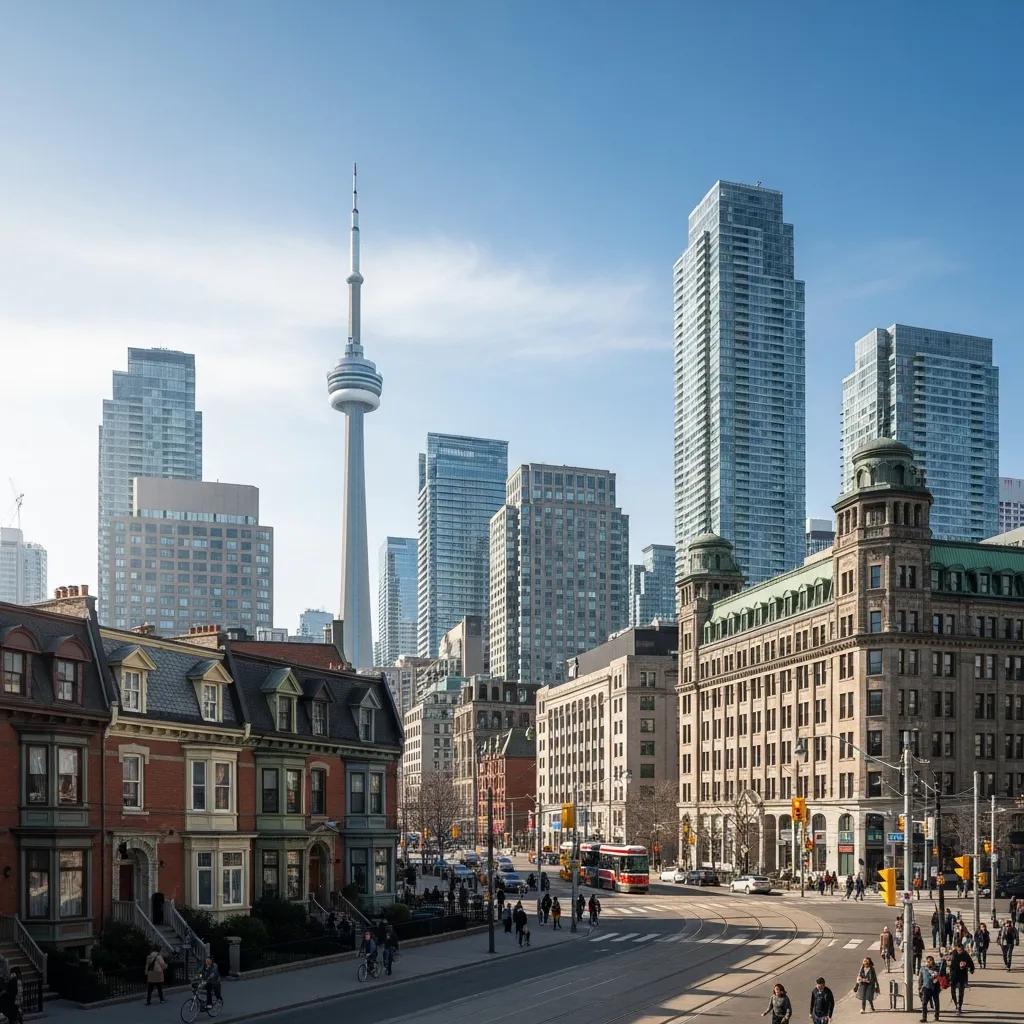
Toronto’s streets tell its history. From ornate Victorians to restrained Edwardians, mid‑century experimentation to contemporary infill, each style shapes neighbourhood character and influences renovation choices. This guide helps homeowners spot defining features, understand permit and heritage implications, and weigh how modern design‑build delivery affects cost and schedule. You’ll get practical visual cues, an overview of regulatory touchpoints, and clear next steps for budgeting and choosing the right delivery method — all aimed at reducing delays, managing risk, and protecting long‑term value.
What Are the Most Popular Architectural Styles in Toronto?
Toronto’s common residential styles pair distinct visual cues with historical context and neighbourhood patterns — and knowing them makes renovation planning simpler. Identifying your home’s style reduces surprises around materials, structural work, and likely permit requirements. Common categories include ornate 19th‑century Victorians, straightforward Edwardians, bay‑and‑gable rowhouses, Craftsman bungalows, mid‑century modern detached homes, and contemporary infill and laneway units that respond to density. Recognizing your style early helps you anticipate conservation needs and estimate cost implications for façade changes or additions.
Which Toronto Architectural Styles Define the City’s Character?
The city’s look reflects waves of growth and changing household needs. Victorian terraces and bay‑and‑gable rows bring vertical rhythm, decorative trim, and masonry detail that create cohesive streetscapes. Edwardian houses simplify those details into balanced proportions and classical touches. Mid‑century modern homes favour horizontality, expansive glazing, and open plans, while contemporary infill prioritizes material contrast, efficient layouts, and modern systems. These patterns make neighbourhood identity legible and guide what interventions will be visually and regulatorily acceptable.
How Do Popular House Styles in Toronto Reflect Local History?
Styles map to history: rowhouses and bay‑and‑gables grew along streetcar routes where narrow lots and density made sense; detached Victorians and Edwardians arrived during prosperous building periods when skilled trades were plentiful. Post‑war suburbs introduced bungalows and mid‑century detached plans for car‑oriented families, and recent intensification has driven infill and laneway housing to maximize urban land. These histories also hint at likely construction methods, common materials, and typical permitting pathways when you alter form or footprint.
| Style | Key features / typical era | Common neighbourhoods |
|---|---|---|
| Victorian (Bay-and-gable) | Ornate trim, steep roofs, bay windows; late 19th century | Older central neighbourhoods, inner suburbs |
| Edwardian | Simplified classical details, balanced façades; early 20th century | Transitional corridors, mature neighbourhoods |
| Craftsman bungalow | Low-pitched roofs, broad porches, wood detailing; 1910s–1930s | Inner suburbs and some streetcar suburbs |
| Mid-century modern | Horizontal lines, large glazing, minimal ornament; 1940s–1960s | Post-war suburbs and modern pockets |
| Contemporary infill | Contrasting materials, flat or simplified roofs, open plans; 2000s–present | Infill sites, laneways, intensifying neighbourhoods |
This quick comparison gives visual anchors for homeowners sizing up style and likely planning impacts. When you can name the style, you can better anticipate design responses and regulatory touchpoints for a renovation.
True Form Construction bridge: Budget limits and permit complexity change what’s practical. If you want a realistic sense of affordability, whether a proposed façade or addition will trigger heritage review, or how a design‑build approach coordinates drawings, permits, and construction to reduce delays, True Form Construction can outline cost ranges and the steps that simplify delivery.
What Are the Key Features of Victorian Homes in Toronto?
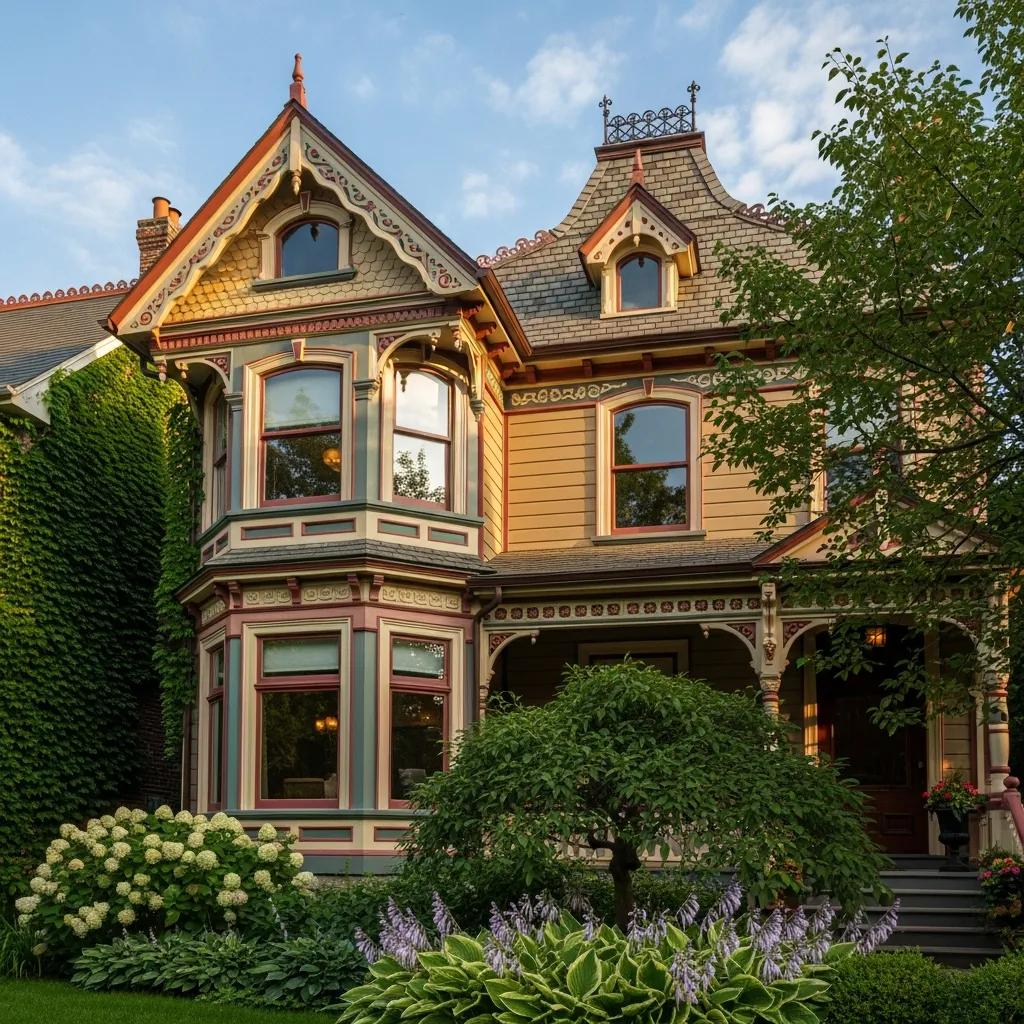
Victorian houses are defined by decorative façades, prominent bay windows, steep roofs, and detailed trim — physical signs of 19th‑century craftsmanship. Brickwork, turned woodwork and patterned shingles create a layered street presence. For homeowners that means restoration often needs careful material matching, specialists who know period details, and sensitivity to original joinery. Spotting these features early helps you budget for conservation‑grade repairs rather than cosmetic updates and prepares you for any heritage consultation if protected elements are affected.
How Can You Identify Victorian Architecture in Toronto Homes?
Identifying a Victorian is largely observational. Outside, watch for asymmetrical façades, decorative bargeboards, patterned brick or stone, ornate porches, and projecting multi‑panel bay windows. Inside, expect high ceilings, detailed mouldings, original staircases, and compartmentalized rooms. These clues not only classify the home stylistically but also highlight where conservation or structural upgrades are most likely when you plan work.
Why Are Victorian Homes Important to Toronto’s Heritage?
Victorians shape Toronto’s streetscape continuity and cultural memory. Keeping these homes preserves block rhythm, supports neighbourhood desirability, and maintains a tangible record of the city’s growth. For owners, that value comes with tradeoffs: higher maintenance or specialized restoration costs and additional permitting considerations when changing windows, cornices, or porches. Understanding those tradeoffs helps balance heritage sensitivity with practical upgrades.
- Victorian identification checklist — what to look for during an inspection:
- Asymmetrical façades and projecting bays — signs of late‑19th‑century design.
- Ornamental trim and patterned brickwork — evidence of original craftsmanship.
- High ceilings and detailed interior mouldings — indicators of preserved interior character.
- Original porch and roofline profiles — elements that often drive heritage value and restrictions.
Use this checklist to spot likely heritage elements before you quote work. Early recognition informs conversations about cost, permits, and the right contractor for conservation work.
How Is Modern Home Design Shaping Toronto's Architectural Landscape?
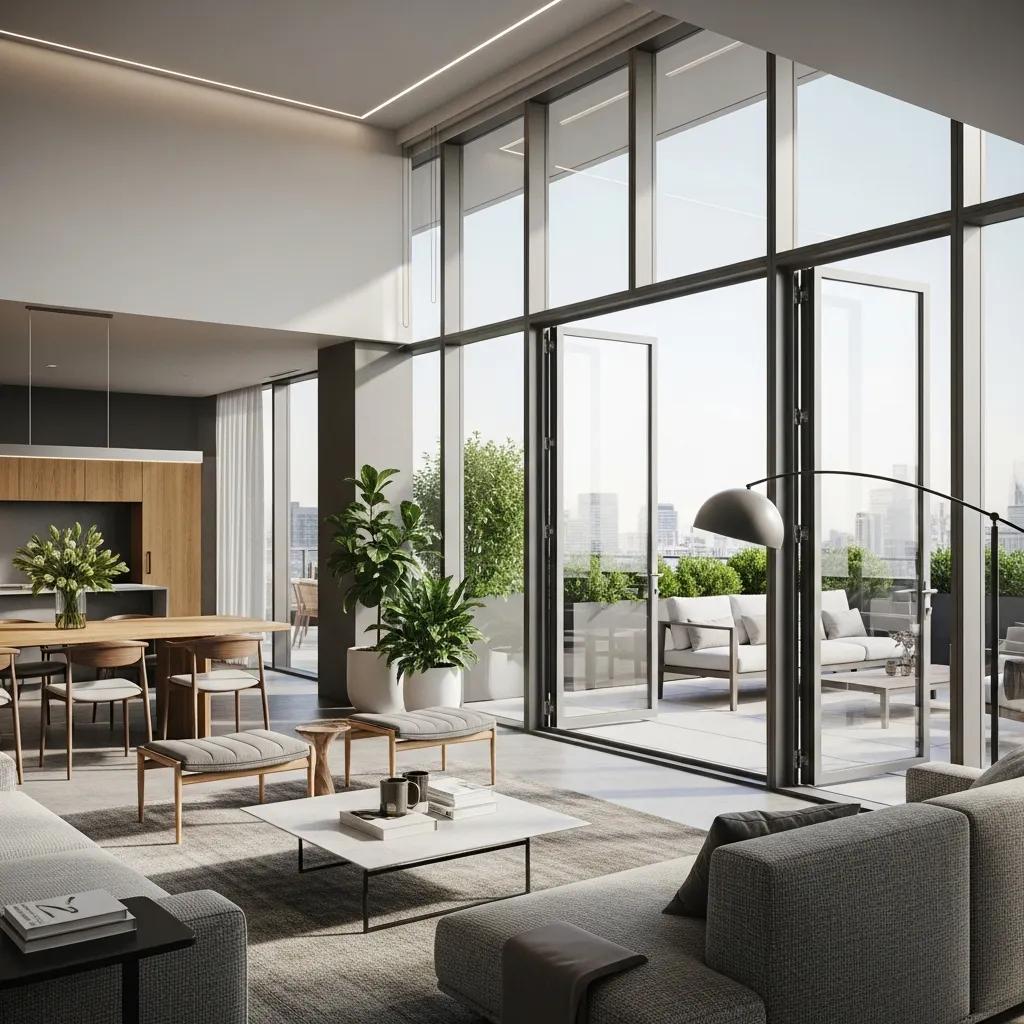
Modern design emphasizes open plans, generous glazing and contrasting materials to improve daylight, connect interiors to outdoors, and suit current lifestyles. On the street, modern design appears through selective replacement, infill and retrofits that add larger openings, simplified rooflines, and contemporary cladding to older lots. These changes can improve daylighting, energy performance and flexibility, but they often require structural work and careful attention to local zoning and party‑wall rules. Designers and builders balance visual contrast with neighbourhood scale to achieve approvals while delivering modern living standards.
What Are the Characteristics of Modern Home Design in Toronto?
Key modern traits include open layouts, larger window bays or floor‑to‑ceiling glazing, simplified geometric roofs, and material palettes such as metal, glass and composite cladding. These choices support energy upgrades — better insulation, thermally broken frames and integrated mechanical systems — but also typically demand structural reinforcement around new openings and careful waterproofing where materials meet. Knowing these construction drivers helps homeowners trade aesthetic benefits against expected technical complexity and permitting needs.
Which Toronto Neighbourhoods Showcase Modern Architectural Styles?
Modern projects tend to appear where lots are consolidated or infill is feasible: pockets across inner Toronto and in parts of Scarborough, Etobicoke and North York. Common projects include whole‑house replacements on narrow lots, sensitive infill that respects neighbouring cornice lines, and laneway or coach houses that add compact units without changing main façades. These patterns affect approval likelihood and community response, and they’re situations where a coordinated design‑build approach can streamline permits and construction.
- Modern design attributes homeowners should consider:
Daylighting and glazing: bigger windows improve light but may trigger energy and safety upgrades.
Material contrast: modern cladding needs precise detailing at junctions to avoid moisture problems.
Open plans and structure: removing load‑bearing walls requires early structural review.
Knowing these priorities helps you target the modern moves that give the most value and identify where early technical investment prevents costly change orders later.
What Defines Toronto Heritage Homes and Their Preservation?
“Heritage” covers properties formally designated or recognized for cultural value, and that status protects character‑defining features through municipal bylaws and conservation policies. Preservation relies on documenting key attributes, applying designation protections, and reviewing changes that affect those attributes to preserve streetscape integrity. Owners gain neighbourhood character and possible incentives, but should expect extra documentation, specialist trades and longer permit processes for major restorations or additions. Early engagement with experienced consultants avoids rework and shortens approval timelines.
How Are Toronto Heritage Homes Protected and Maintained?
Protection typically comes through municipal designation or inventory listing, followed by permit reviews that focus on character‑defining elements; municipal heritage staff and advisory committees generally oversee this process. Maintenance prioritizes repair over replacement, matching original materials and traditional techniques when practical. Larger restorations usually need conservation plans, detailed drawings and sometimes heritage impact assessments. Plan for longer approval timelines and higher soft costs — it’s part of preserving legal compliance and neighbourhood value. The table below summarizes typical permit and process timelines for heritage work.
| Process / Permit | Typical timeline | Who’s involved |
|---|---|---|
| Heritage consultation & preliminary review | 2–6 weeks | Owner, heritage planner, consultant |
| Heritage alteration permit / application | 6–12 weeks | Municipal heritage staff, advisory committee |
| Building permit for restoration/alteration | 4–10 weeks | Building inspectors, architect/engineer |
| Committee of Adjustment (minor variances) | 8–16 weeks | Committee review, public notice, applicant |
That sequence explains why heritage projects need extra lead time. Planning these durations up front helps you coordinate contractor and consultant schedules and avoid surprises.
True Form Construction integration: If you’re facing heritage permitting or restoration, a design‑build team can centralize heritage liaison, prepare compliant drawings and manage contractor selection to meet conservation standards. True Form Construction provides coordinated project delivery for heritage repairs and restorations, offering a single point of accountability and clearer timelines. Requesting a free estimate is a useful next step to quantify scenarios and expected permit sequences.
What Role Do Heritage Homes Play in Toronto’s Urban Identity?
Heritage homes anchor neighbourhood character and give a visible link to Toronto’s past; they shape civic identity, strengthen community cohesion and add appeal for residents and visitors. While they can require greater maintenance, they also deliver distinct resale value and cultural cachet that new builds rarely match. Recognizing that role helps homeowners make sensitive upgrades that respect identity while improving comfort and performance.
Which Popular House Styles Are Trending in Toronto Today?
Today’s trends favour adaptive reuse, sensitive infill and hybrid approaches that pair traditional massing with contemporary materials and interiors. Drivers are limited land, demand for more usable square footage, and buyer preference for modernized interiors with preserved curb appeal. Common solutions include rear additions, basement conversions and laneway housing. Costs vary: structural changes and full infill have higher hard costs, while interior reconfigurations and sympathetic additions are usually more moderate. Choosing between design‑build or architect‑led delivery can materially affect schedule predictability and budget certainty for these projects.
How Do Contemporary Styles Blend with Traditional Toronto Architecture?
Designers reconcile old and new by matching scale and rhythm, choosing complementary materials, and stepping contemporary elements back from primary façades so the streetscape remains coherent while interiors and systems are modernized. This approach lowers regulatory friction and improves approval chances. Blending also requires technical coordination — tying new structural members into old masonry, detailing to prevent water ingress, and aligning new windows with historic sightlines. Knowing these strategies sets realistic expectations for outcomes and permit reviews.
What Are the Most Sought-After House Styles in Toronto’s Real Estate Market?
Buyers value homes that combine heritage character with modern amenities — preserved façades or period details alongside open kitchens, updated systems and better thermal performance perform well in resale. Compact modern infill and properties with accessory units or laneway suites also attract interest for flexibility and rental income. For resale‑focused renovations, prioritize kitchen and bathroom upgrades, thermal performance and curb appeal to maximize return. A fixed‑budget design‑build proposal helps contain scope creep and align renovations with market expectations.
| Project type / cost item | Hard cost / Soft cost | Typical range (GTA) |
|---|---|---|
| Basement conversion | Hard: structural, finishes | $50,000–$120,000 |
| Rear addition (single-storey) | Hard: structure, roof; Soft: permits, design | $120,000–$300,000 |
| Second-storey addition | Hard: framing, envelope; Soft: engineering, permits | $200,000–$450,000 |
| Full teardown and rebuild | Hard: construction; Soft: design, permits, variances | $500,000+ |
Separating hard and soft costs shows where the biggest expenses fall and why early budget conversations are critical. Use these ranges to compare trendy interventions with less invasive updates.
Integration on methodology: For tight schedules and predictable costs — common with infill or additions — design‑build gives one team responsibility for design, permits and construction. A fixed‑budget proposal helps lock scope and price early, cutting the risk of costly mid‑project changes and streamlining municipal coordination.
How Can You Choose the Right Toronto Architectural Style for Your Home?
Choosing a style requires weighing budget, neighbourhood context, heritage status, lifestyle needs and resale goals so you prioritize interventions that deliver the most value with the least regulatory friction. The decision pairs those factors to determine whether to restore, add sympathetically, modernize fully, or pursue a retrofit. Consider both hard costs (construction, materials) and soft costs (design, permits, committee time) up front. When you’re unsure, a staged approach — starting with feasibility and a fixed‑budget estimate — tests whether a proposed style shift is realistic.
What Factors Influence Choosing Between Victorian, Modern, and Heritage Styles?
Deciding between preservation, modernization or a contemporary intervention is about tradeoffs. Victorians often require higher conservation costs and specialist trades; modern retrofits may need structural reinforcement and updated systems. Heritage‑designated properties add procedural steps and likely design limits that increase timeline and soft costs, while non‑designated homes are more flexible but can still need variances for massing changes. Clarify whether you want authentic restoration or functional modernization — that decision shapes design and procurement.
Where to Find Resources and Experts on Toronto Architectural Styles?
Start with municipal heritage pages, building permit offices and zoning bylaws for official guidance, then look for professionals with local experience in Toronto permits, conservation practice and construction methods. Ask potential partners about similar neighbourhood projects, Committee of Adjustment experience, and whether they offer fixed‑budget or design‑build delivery to limit cost risk. If you want to move from research to action, request a free estimate and discuss emergency restoration with a single accountable team to get clear cost anchors and timelines.
- Gather baseline information: Record your home’s style cues, lot constraints and any heritage listings.
- Request feasibility and budget estimates: Get a fixed‑budget or staged estimate to test financial viability.
- Choose delivery method: Use design‑build for integrated permit and construction management or architect‑led delivery for highly custom designs.
- Engage early with authorities: Start permit and heritage conversations before finalizing construction plans.
Following these steps helps turn stylistic preferences into practical project plans that respect regulations and budgets.
If you want a clear next step, True Form Construction provides free estimates and coordinated support for emergency restoration and renovation permitting, giving homeowners an integrated path from feasibility through permit navigation and construction under one accountable team.
- Summary insight: Recognize style, set realistic cost anchors and choose an integrated delivery method — together these reduce risk, speed approvals and preserve neighbourhood character.
